

The Arrival of the Chimney Swift
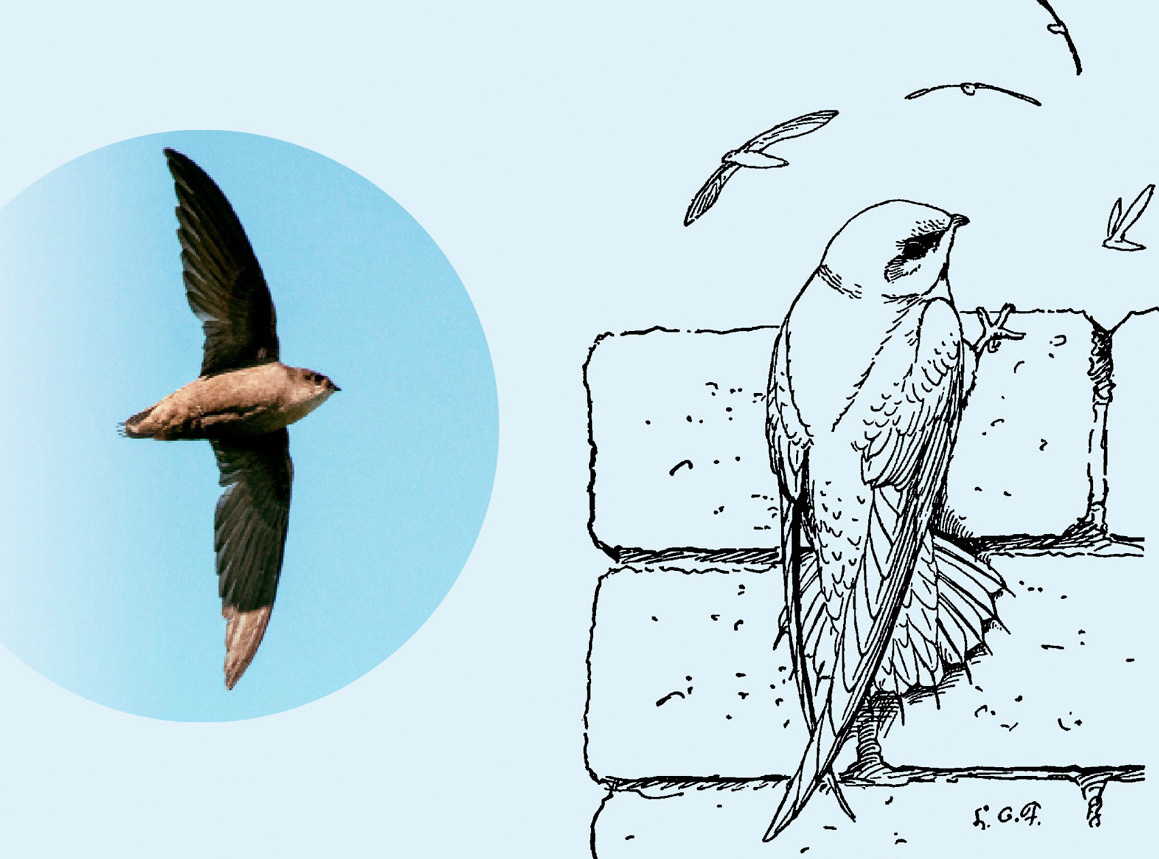
Chimney swifts. In April they come, in October they go, and in between, from dawn to dusk, their chittering, twittering calls fill the sky. I hear them everywhere in Nashville: in the city, the suburbs, the parks, the parking lots and right this minute from my porch, even though a succession of lawn mowers and pesticide foggers is roaring through one little front yard after another. The birds fly so fast that sometimes I look up and they're already out of sight.
Chimney swifts flew unheard and unseen every year of my life until a naturalist pointed them out on a hike. "They look like flying cigars," she said and then told me I would never see what they looked like when they weren't flying. Because they are always flying. Chimney swifts eat, drink, bathe, court and mate in the air, and can even sleep while flying. They only land when they nest and roost, but this happens in private: inside an uncapped chimney, for example.
You Might Also Like:
Avoid These Common Bird-Feeding Mistakes
How to Attract More Birds to Your Garden
6 Plants Birds Love
Where Do Chimney Swifts Live?
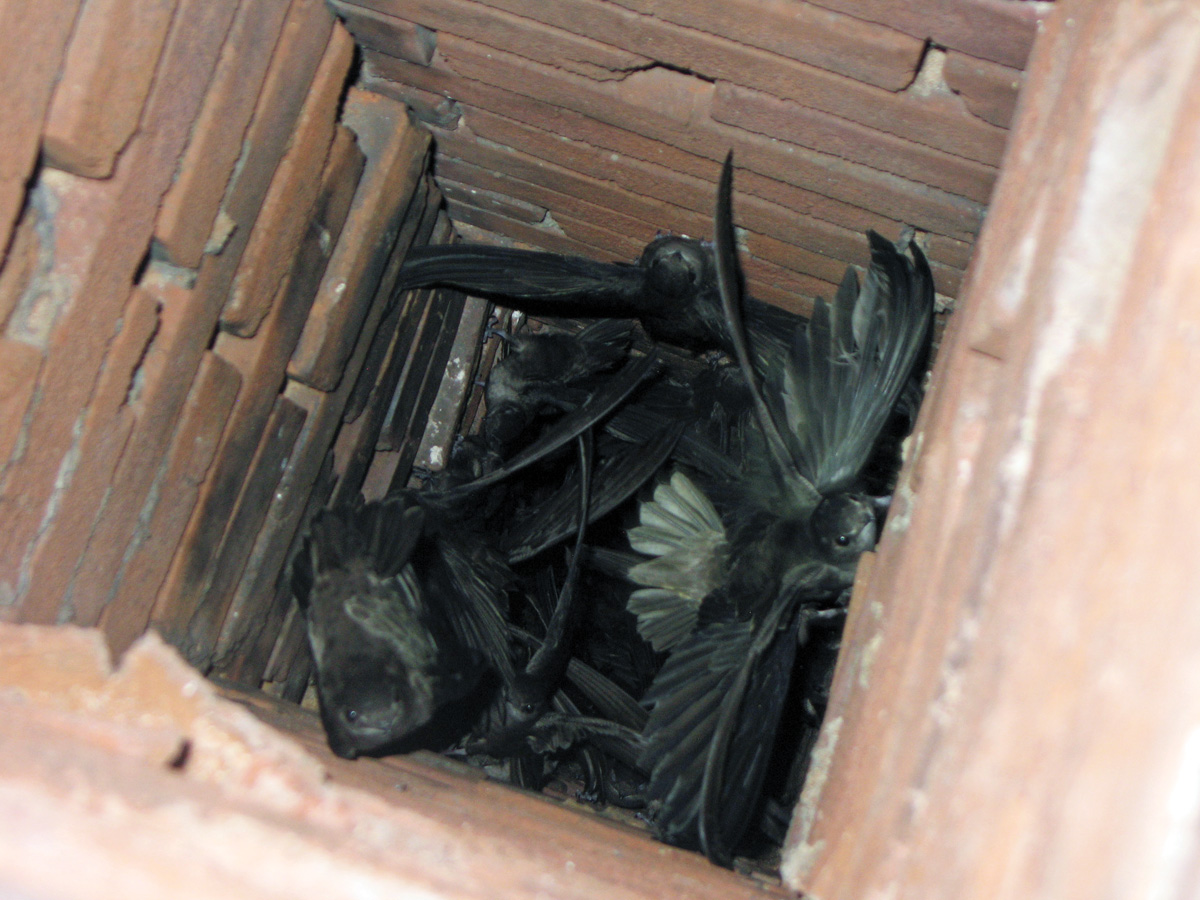
Chimney swifts nested in North America millions of years before humans even thought about bricks, so why do they need chimneys? Because their hollow trees are gone. Masonry chimneys have rough, vertical surfaces that swift feet can grab—they can't "perch" like other birds. Their nests, little half-saucers made of twigs glued together with saliva, can stick to this surface as well. So in spring, chimneys are single-family housing, and in summer and fall are hotels where birds gather to roost before they fly to winter homes in the Amazon Basin.
Swift Decline
In the last 50 years, chimney swift numbers have dropped by more than half, and the decline is accelerating. Habitat loss is the short answer as to why, and this includes a loss of insect prey and of chimneys. Gardeners are uniquely poised to support chimney swift populations, keep reading to learn about 6 simple ways to support them.
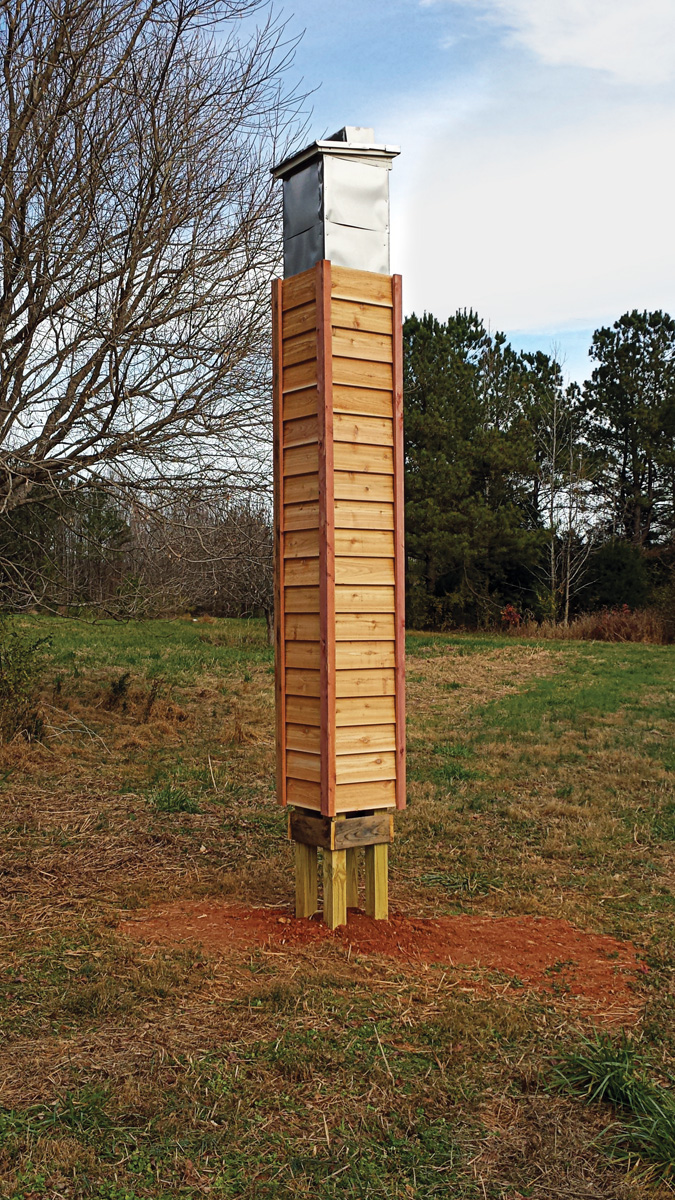
My chimney is capped, as per every home inspection ever. Daily walks show me that other chimneys are capped too, and that new homes don't have chimneys at all. Some heroic bird-lovers uncover their chimneys for the swifts, then tidy and re-cap for winter, and I wish I could say I was one of them. Other housing options are DIY towers and faux chimneys good for public spaces. Ideally, there's a protected barn, silo, vent pipe or industrial chimney nearby where swifts can gather at night to swirl by the thousands in an unforgettable display known as a bird tornado.
But even a regular chimney can be a game-changing spectacle for people, and a lifesaver for birds.
You Might Also Like:
Support Birds in Your Backyard with This Planting Plan
Best Plants with Berries for Birds
Winter Happy Hour for the Birds
A Chimney Swift Sighting
A few Septembers ago, my family and I were on the sidewalk at sunset, waiting to cross the street to get home. About two dozen chimney swifts were circling high above our sugar maple. Where would they spend the night? For years, I had wondered where neighborhood swifts slept. All day, above every street, they'd be wheeling and chattering, gobbling every insect within reach, and then, poof! Gone. Which neighbor had an uncapped chimney and either didn't know or didn't mind that it made new birds in spring and hosted slumber parties all summer?
Right then, one bird broke from the circle and fell. It didn’t slow down, but simply dropped from the sky, flapping and falling headfirst into our next-door neighbor’s chimney. “Y’all, I could swear that bird dropped down the chimney,” I said to no one who believed it, and I wasn’t sure I believed it myself. So while everyone else went inside, I stayed in the driveway to stand and wait and watch under the darkening sky until I saw every bird peel off from the party to flutter and fall, one at a time, into bed.
6 Ways to Garden for Chimney Swifts (and all Birds)
1. Add native plants. Learn which plants are native to your zip code at audubon.org/native-plants or check with your local extension agency.
2. Mow high and less often. Taller grass supports more insects, which in turn, feed more birds.
3. Skip pesticides and herbicides. Most chemical-based controls persist in the soil and water for years.
4. Leave some leaves. A free source of soil-enriching nutrients, rotting leaves are an important place for birds to forage.
5. Make a brush pile. Even a small brush pile can provide shelter and foraging for wrens, nuthatches and other birds.
6. Turn off unnecessary nighttime lighting during spring and fall migration. Birds find artificial lights disorienting, leading to more collisions.
Learn more about chimney swifts at U.S. Fish and Wildlife website: fws.gov/story/chimney-swifts
You Might Also Like:
Native Plants for Every Size Garden
Should You Leave the Leaves in Fall?
How to Create Wildlife Safe Water Features in Your Garden
Joanna, author of "This Is How a Robin Drinks: Essays on Urban Nature," writes about everyday wonders in everyday habitat loss on Instagram @jo_brichetto and at SidewalkNature.com.