




Is it organic?
Have you ever frozen in the middle of a routine task and wondered, “Wait, should I be doing this differently?” Unlike commercial organic growers who have to follow specific regulations, home gardeners are free to grow according to their own standards of organic. It’s great to have this flexibility, but at times it’s puzzling to know which practices are organic, which aren’t and which are somewhere in between.
The truth is that organic gardening is about more than avoiding synthetic elements or chemicals that are harmful to the environment. A better goal is to grow in tandem with nature to create a healthy, vibrant growing environment for strong plants, which can then be naturally resilient against pest and disease. With that in mind, take a look at some of these common garden situations and be informed. Figure out which practices work best for your garden and your growing goals, and go with it.

1. White vinegar: It’s organic
Most white vinegars are derived from grain-based alcohol (though sometimes they are synthetically produced). Official label or not, vinegar is an organic product that won’t contribute unwanted chemicals to the garden. But you still need to be careful when you use it as a weed killer.
Household vinegar vs. horticultural vinegar
Household white vinegar contains 5 percent acetic acid and likely won’t slow weeds down much. However, horticultural vinegar has 10 to 20 percent. This potency will knock foliage and stems out, but the roots will probably still survive. It’s also more dangerous for you to use. Gear up with a mask, gloves and goggles to avoid burning skin or damaging eyes. And watch where you spray: Vinegar has no mercy on nearby ornamental plants and might be fatal to frogs upon contact.
More organic ways to deal with weeds
If you’ve only ever tried vinegar and been discouraged, there are other organic options for effectively warding off weeds. The best practices include a little bit of elbow grease: A layer of newspaper followed by a 2-inch layer of mulch goes a long way in suppressing weeds. Grow ground covers in the bare spots of your beds. And simply be ready to frequently stroll your garden with hoe in hand.
You Might Also Like:
5 Ways to Get Rid of Weeds Without Pulling Them
Basics of Permaculture
Problem-Solving Gardening Books
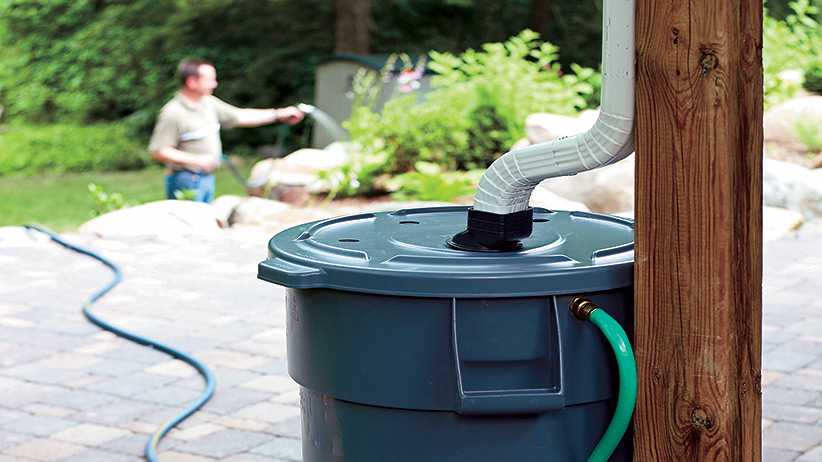
2. Harvested rainwater: Maybe Organic
It’s true that water harvested from rain barrels might be contaminated with chemicals leached from the roof. But recent studies by Rutgers University and the Washington State Department of Ecology reveal that it might not be as harmful as we once thought. Heavy metals and chemicals are minimally present in the water, and generally the levels are safe according to scientific standards. But if the chemicals are still there, should the water be used in an organic garden?
The answer is yes, it’s probably still OK. Metal and chemical levels in harvested rainwater don’t differ much from average tap water (or even the rain!). What’s more, the soil and plants themselves filter out many heavy metals.
Precautionary measures when using rainwater
Regardless, remember these practices to be sure that your rainwater collection is as safe as possible: Get a diverter to avoid collecting the first flush of rain (which usually has a higher concentration of the bad stuff); avoid collecting from copper roofs or wood shake shingles treated with antifungal agents; water the soil, and take care not to splash any leaves (a drip irrigation system would help with this), and wash all your produce before consumption.
If you’re worried about E. coli, which can develop from animal excrement in the water, using an ounce of bleach per 55 gallons will kill the bacteria. Just be sure to wait 24 hours for the chlorine to dissipate. An alternative to using bleach is a UV light disinfecting system that you can purchase specifically for a rain barrel.
If you want to learn more about using harvested rainwater in your garden, especially when considering use in your vegetable garden, here’s a helpful overview from Rutgers State University on rainwater usage.
3. Standard potting mix: Not Organic
Standard potting mix isn’t organic because synthetic fertilizer is commonly added. But there are two easy alternatives to standard commercial potting mix: The first is to simply purchase potting mix labeled as organic. Look for the trusty OMRI stamp, which indicates that the product has been thoroughly tested by organic standards. But even then, you have more control over the contents of the potting mix if you make it yourself — which also happens to be more cost-effective.
The goal is to create a soilless potting mix that is loose and coarse, and drains well but doesn’t dry out easily. Although sphagnum peat moss is a common ingredient in soilless potting mixes, there is some concern that it isn’t a renewable resource or environmentally friendly. Plus, peat moss can often be coated in an anticaking agent that doesn’t qualify as organic. Instead, choose coconut coir, a coconut husk product. It’s environmentally friendly, has a neutral pH (unlike peat moss) and doesn’t dry out quickly. Follow the recipe below to make your own organic potting mix.
How to make your own organic potting mix:
Use an empty wheelbarrow or a large tarp to mix these ingredients together. Don’t fuss too much about being exact. Grab an old nursery pot to scoop the following:
- 4 parts coconut coir — Improves water-retaining capacity
- 4 parts compost — Improves drainage and adds nutrients
- 3 parts perlite — Improves drainage
- Organic granular fertilizer at rate recommended on package

You Might Also Like:
Tips for Container Gardening
Are You Using the Right Type of Garden Mulch?
Watch Our Gardening Videos on YouTube

4. Nonorganic seed: Maybe organic
This is an example of gardening according to your own organic conscience. Using seeds that were harvested from conventionally grown plants does slightly increase the likelihood that there are trace amounts of synthetic chemicals in the seeds. But this trace amount has at most a minor effect on the chemical levels of the plants and produce themselves.
However, some seeds might be treated with chemicals during production. This can create a small risk of chemical exposure to the gardener during planting, though it likely doesn’t have a significant effect on the organic nature of the produce.
Support organic growers
But keep in mind that buying organic seed does support organic farmers, who only use organic practices at all stages of the growing process. If a seed packet is not labeled as organic, check with the company. They might still grow without pesticides and added chemicals but lack the official organically grown label (which can be expensive for growers to procure). GMO is not a factor for home gardeners because mostly only seeds produced for commercial use are genetically modified. (And remember, hybridizing plants is different than genetically modifying them.) Check out a list of our favorite seed sources here.

5. Store-bought compost: Maybe organic
You might have a hard time tracking down the source of each ingredient in store-bought compost, and the materials can vary immensely from one brand to another. If you’re particular about the items you put into your homemade compost (for example, only adding organic food scraps), then finding a commercial compost that you would feel comfortable purchasing is unlikely.
Get quizzical about the labels on bagged compost. Unfortunately, the word organic doesn’t mean much unless it’s accompanied by a certified seal, such as OMRI. If you are buying from a bulk compost provider, don’t be afraid to ask them questions about the source of the compost, the materials included in it and if it has been treated with anything.
Concerns with compost
The biggest concern is that the compost will contain some residual herbicides, such as aminopyralid, which can take a handful of years to break down. Hay and manure often contain this chemical. But you can whip out your lab coat and conduct a test to learn if your compost is possibly contaminated. Fill a seedling tray with a 50-50 mix of potting mix and the compost you want to test. Fill another tray with just the potting mix for the control. Plant green bean seeds, which are especially susceptible to damage, in both trays and provide the same conditions. After the seedlings have at least three sets of leaves, look for curling new growth, a symptom of residual herbicides.
You Might Also Like:
Garden Compost Basics
How to Build a Keyhole Garden Bed
6. Fertilizers labelled as “organic”: It’s organic
Many organic gardeners aim to build soil that is nutrient-dense enough that it doesn’t require additional fertilizing. Strive to feed the plant with the soil, not with the fertilizer, by regularly amending with organic compost and worm castings and growing cover crops when applicable. This practice takes time. In the short term, organic fertilizers (with OMRI labels) are a good organic solution. Fish fertilizer, such as this one from Neptune’s Harvest, is a popular choice.
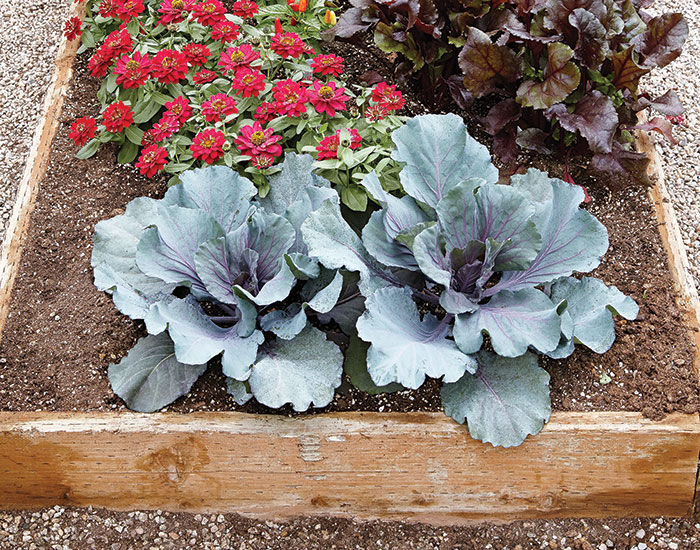
7. Raised garden bed materials: Maybe Organic
Raised beds are a fantastic way to control and build a healthy soil, the basis of a thriving organic garden. But some materials used for making raised beds can leach chemicals into the soil. As I mentioned earlier, the soil and plant roots do a good job of filtering out heavy metals and the like. But the metal uptake is a little higher (though still acceptable) for root vegetables, such as beets and potatoes. Thankfully, you can just wash and peel your root crops where most of the heavy metals get stored. The bigger concern is for the people who will come in contact with the raised bed and the chemicals in it every day during garden chores. So to minimize the risk, here are the options to avoid and which to choose instead.
Materials to avoid for raised garden beds
Avoid using any kind of treated lumber, including railroad ties, in the garden. Tires break down with heat and negatively affect the soil within them, so avoid them. Some plastic options are acceptable, but not all. Take caution when repurposing wooden pallets as well, as the wood can be treated with different chemicals.
Best materials for raised garden beds
Choose untreated lumber if you want to build raised beds of wood. Cedar is the most weather-resistant option. If you want to seal your wood, choose raw linseed oil or raw tung oil as organic options. Stone, boulders and galvanized metal are safe materials as well. If you are lining your raised bed with plastic, only use food-grade polyethylene.
You Might Also Like:
How to Build a Simple Wooden Raised Garden Bed
Vegetable Gardening in Galvanized Garden Beds
Classic Woodworking Project Plans