


Agastache deer-resistant, drought-tolerant gardens in every region
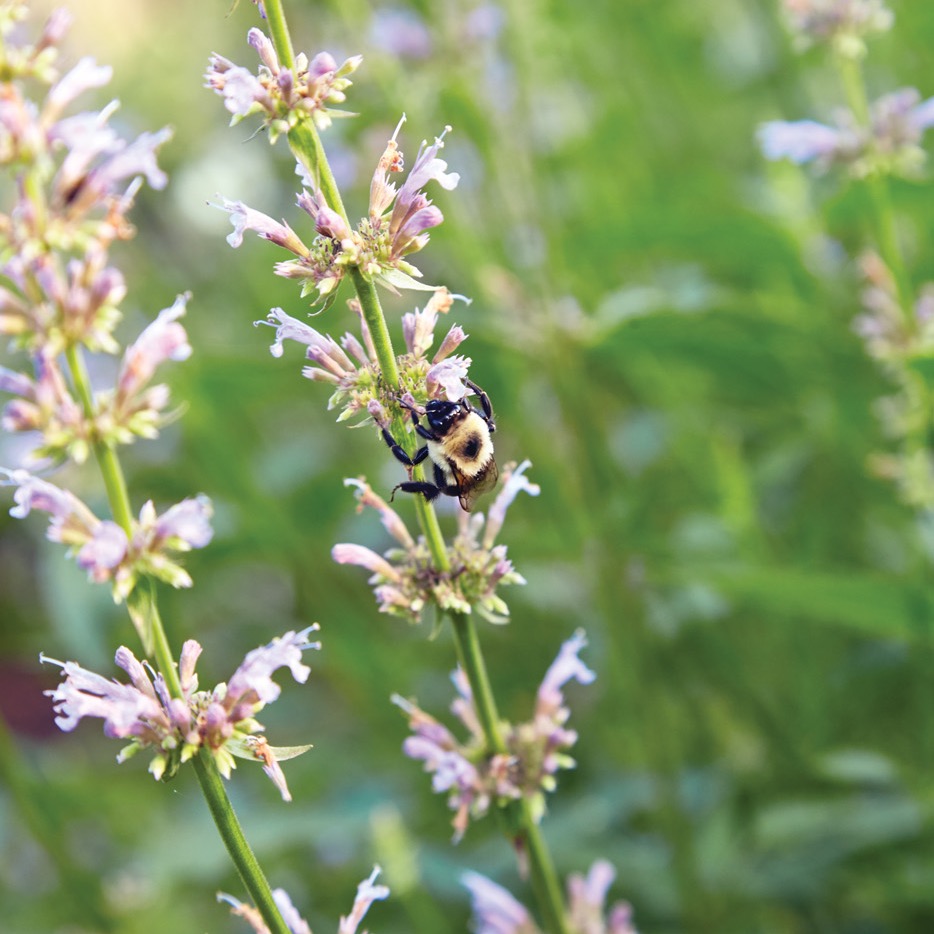
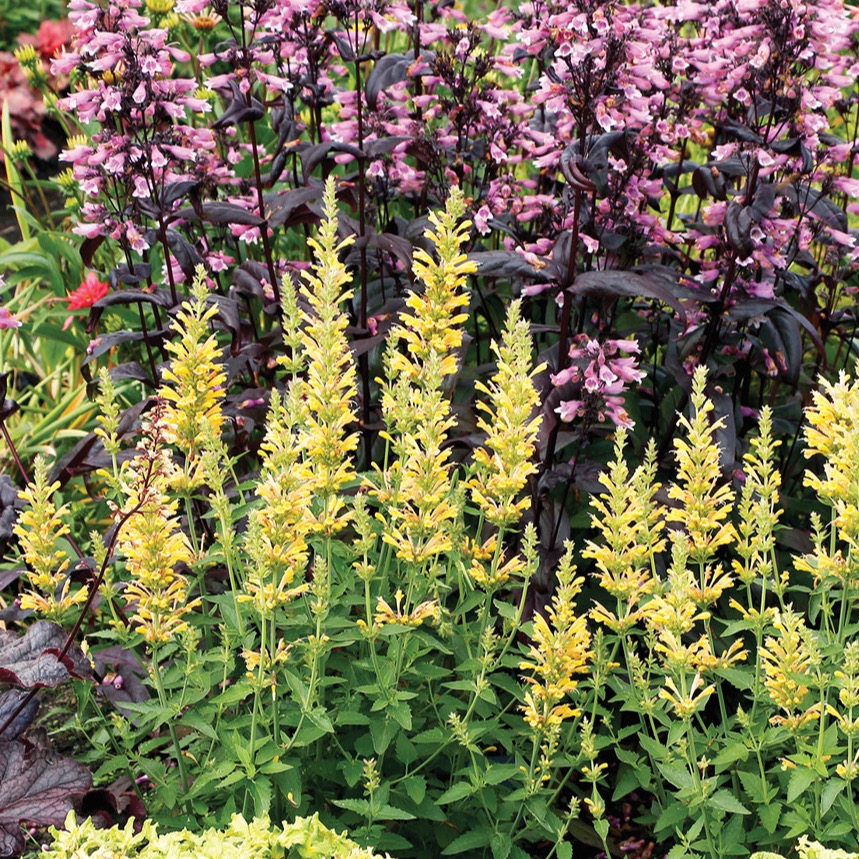
When you want a border buzzing with bees, bursting with butterflies and humming with hummingbirds, agastache (Agastache spp. and hybrids) is a great choice. Besides getting lots of love from pollinators, this amazing perennial has fragrant foliage topped by long-lasting blooms and takes hot dry spells in stride. Plus, deer and rabbits leave it alone, and it’s rarely bothered by insect pests or disease.
Agastache comes in many shapes and sizes
There are 22 species of agastache — most native to North America and Mexico — and numerous hybrids that all grow best in full sun and well-drained soil. What sets most agastache species and their hybrids apart is the soil they grow in. Those with roots in the Southwest United States and Mexico, such as licorice mint or Texas hummingbird mint, do best where the soil is lean and sharply drained.
Anise hyssop, a native to the Great Plains, or Korean mint from Asia thrive in richer soil with more organic matter and moisture. But all types of agastache will rot if the soil is consistently wet, dense or soggy.
Common names vary and sometimes even overlap, but I’ll call the Southwest types hummingbird mint and the prairie types hyssop. Whatever the name, this practically perfect perennial has a lot to offer.
Regional advice for growing agastache
Full sun and well-drained soil are a must for growing great agastache anywhere you garden, but different regions have different dilemmas. I talked with the four experts at right who navigate the same growing challenges as home gardeners, and they shared their tips for growing beautiful plants along with a few varieties that have performed especially well.
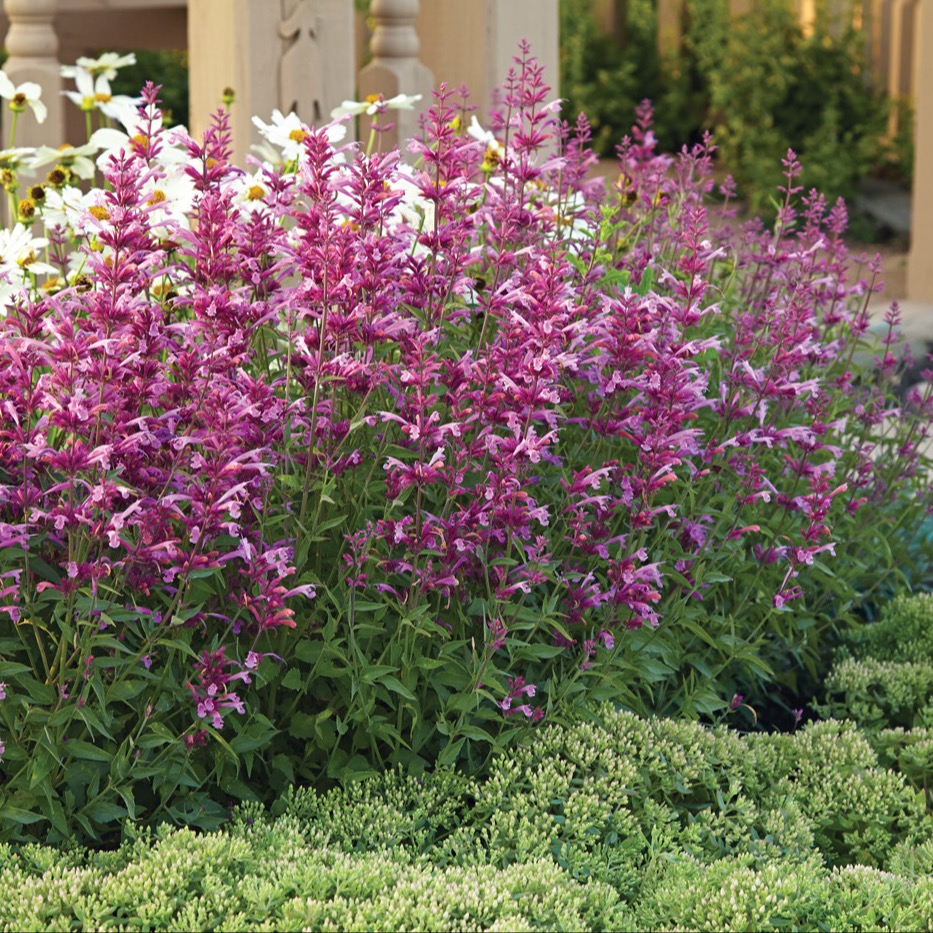
Growing agastache in the Midwest
Expert: Richard Hawke | Director of Ornamental Plant Research, Chicago Botanic Garden, IL
Summers are hot and humid in Chicago, and soils can range from rich and loamy to dense clay. Because Chicago Botanic Garden is so close to Lake Michigan, there can be lots of snow and strong winds to accompany the cold temperatures.
Regional growing tips
- Fertilize: There’s no need to feed agastache in the ground or in pots — they flower well without it.
- Mulch: Border plants get mulched in spring with a custom blend made from garden debris that has a leafy texture with no big chunks.
- Maintenance: Hyssop types handle the growing conditions at the Chicago Botanic Garden with ease and can sometimes even reseed. ‘Golden Jubilee’ can be extra generous so may need deadheading if you don’t want more plants.
- Beware of rot: The denser soil and wet winters can cause the roots and crowns of hummingbird mint to rot in borders. However, Richard has noticed that some newer varieties have better survival rates. Planting in containers is also a good alternative. Many are compact and bloom continuously without deadheading, almost like an annual.
- Plant trials: With all the new introductions, Richard is working on a trial of 48 hummingbird mint varieties to see how quickly they bulk up and bloom in one season. Results should be released in 2028.
Top agastache varieties for the midwest
- ‘Rosie Posie’ A. hybrid (This one returned for several years in borders around the garden)
- ‘Queen Nectarine’ A. hybrid (Grew to 3 feet tall in one year)
- ‘Purple Haze’ A. hybrid (Has longer, more graceful flowers than others)
You Might Also Like:
Garden Pests to Look Out for in Your Region
Best Drought-Tolerant Plants
Sunny Garden Plan Collection
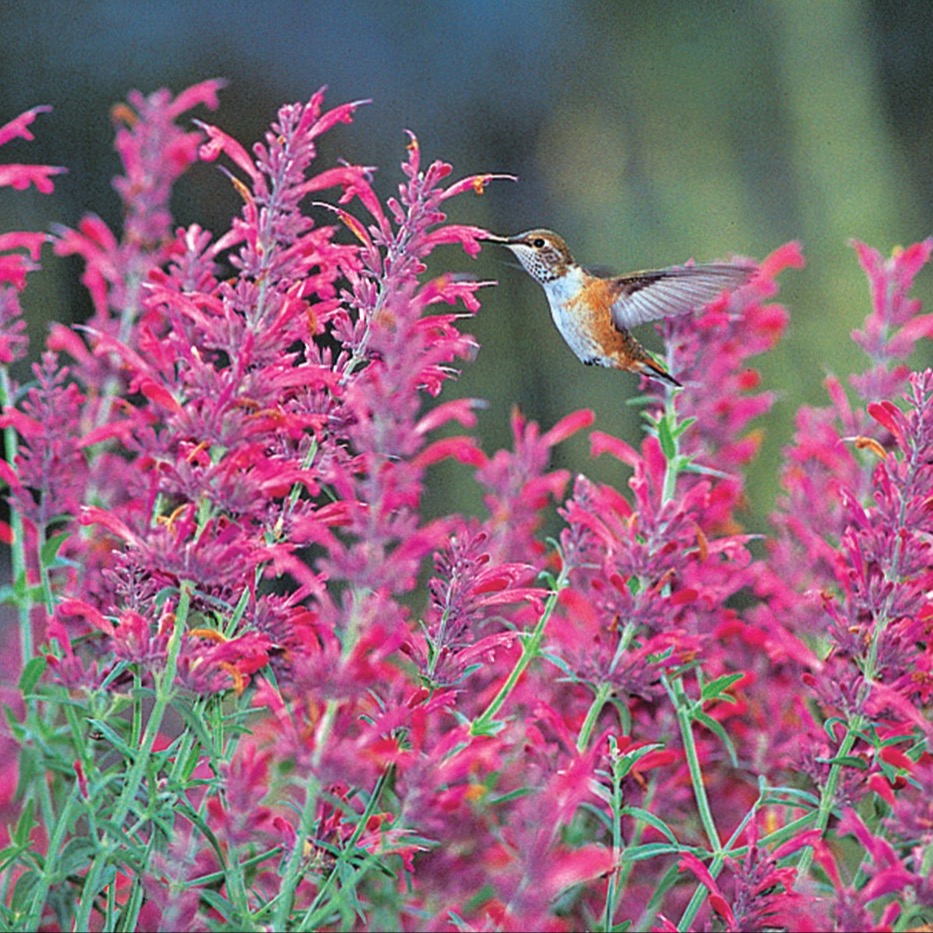
Growing agastache in the Southwest
Expert: Linda Churchill | Director of Horticulture, Santa Fe Botanical Garden, NM
Close to the Rocky Mountains, the Santa Fe Botanical Garden sits at 7,200 feet in elevation with a growing season from early May to October. The climate is generally hot and dry, though the garden’s location has a colder microclimate. The soil tends to be alkaline with a high mineral content and varying depths of caliche, a claylike soil that’s as hard as concrete.
Regional growing tips
- Fertilize: Linda grows a lot of hummingbird mints in containers at home and does use a balanced liquid plant food, such as Miracle-Gro®, since she’s often watering daily in summer and nutrients are quick to wash away.
- Mulch: Cramming plants together in the border works a lot like mulch, helping keep weeds down and conserving moisture. But hummingbird mint doesn’t like humidity, so Linda and her staff keep an eye out for fungus or mold that could develop. They sometimes mulch with gravel but don’t need much — an inch or so is just fine.
- Maintenance: Linda finds that plants come through winter better if you leave the dead stems in place to provide some protection for the crown.
Top agastache picks for the Southwest
- Licorice mint Agastache rupestris (Reseeds gracefully)
- Texas hummingbird mint Agastache cana (Gets taller than many others)
- Desert Sunrise® Agastache hybrid (Needs slightly more water than others)
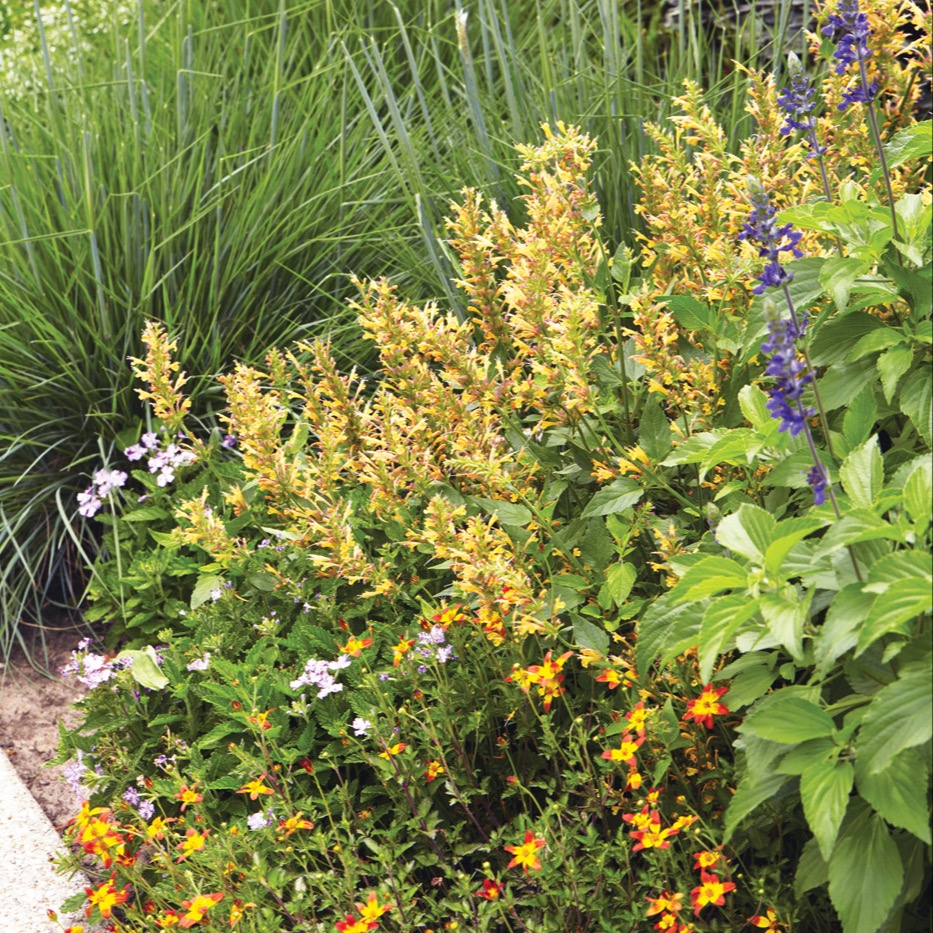
Growing agastache in the Mountain West
Expert: Bridget Blomquist | Associate Director of Horticulture, Denver Botanic Gardens, CO
With over 300 days of sunshine on average in the Denver area, there’s never any worry about plants not getting enough light. Summers are hot and dry with cool nights, and winter is mild but can get quite snowy with high winds.
Hummingbirds, bees and butterflies are always on the agastache, but the hummers are a favorite. Bridget loves watching them dive-bomb, tussle and whistle at each other, as they argue over who gets to feed from which bloom.
Regional growing tips
Fertilize: Because these plants do best in lean soil, she hasn’t found the need to fertilize. - Mulch: Squeegee is the mulch of choice for agastache at the Denver Botanic Gardens. It’s smaller and more angular than pea gravel and helps keep the border well drained. It provides that western garden look and doesn’t blow around in the wind. In addition, the smaller rock makes it easier to pull weeds. - Maintenance: Bridget deadheads the hyssop types because they reseed prolifically in the borders but hasn’t found the need to deadhead hummingbird mint. Plants come through winter easily except when they’re in a spot where the snow is piled. Those tend to die — likely due to winter wet.
Top agastache picks for the Mountain West
- ‘Ava’ A. hybrid (Blooms a bit later than others so extends the season)
- Kudos series A. hybrid (Smaller plants are good for rock gardens)
- Licorice mint A. rupestris (Two-toned orange flowers with purple calyxes are a great contrast to silvery foliage)
Growing Agastache in the South
Expert: Sandra Begani | UGA Trial Garden Manager, University of Georgia Trial Gardens, GA
Even with hot, humid summers that are regularly in the 90s and sporadic rainstorms followed by long dry periods, hummingbird mint has been a great performer for Sandra at the trial garden in Athens, Georgia. Even better, while deer regularly munch on other plants, they leave hummingbird mint alone.
Regional growing tips
- Fertilize: Georgia’s red clay soil is a well-known challenge for gardeners in that area and is probably why plants tend to be short-lived. To make sure the agastaches grow and bloom happily, Sandra and her team till compost and granular fertilizer into the flower beds.
- Mulch: Easy-to-find pine straw mulch is applied annually to help conserve moisture, prevent erosion and keep the weeds down. That’s a big help because hummingbird mint attracts so many bees that weeding can be difficult at certain times of the day.
- Maintenance: These are dry-loving plants but if there hasn’t been any rain all week, she’ll make sure plants get a deep watering so their growth and blooming don’t suffer.
Top agastache picks for the South
- Poquito Butter Yellow Agastache hybrid (Lots of yellow flowers and compact habit)
- Maestro™ Gold Agastache* hybrid (Heat resistant and flowered all summer)
- Summerlong Lilac Agastache mexicana (Season-long color and tolerates dry conditions)