

A dibber is a long, pointed stick made of wood, metal, or plastic that pokes holes into the earth to create a space for planting seeds, seedlings, and tiny bulbs. In this guide, we will uncover the best dibbers that come in a variety of styles and handle designs, yet are sturdy enough to get the job done. The top option on our list goes to the dipper from Zenport. It is lightweight, durable, and has built-in measurements for precise holes. Check out all of the choices our team has selected and find the right dibber for your gardening needs!
Our Top Picks For Dibbers
The Best Dibbers
Top Pick
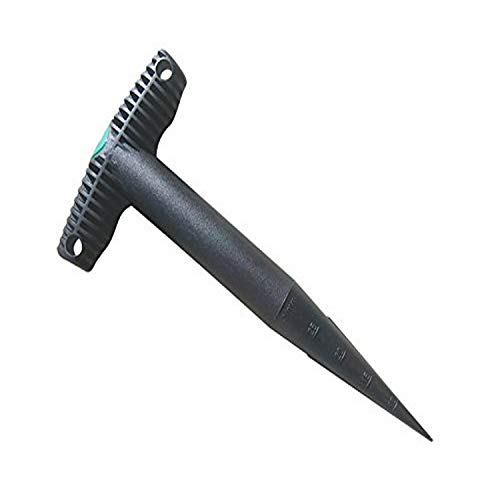
The Zenport dibber is both light and strong. Its robust design has a thick handle that allows for secure and pleasant gripping. It features a sharp and pointy spike that may be used to pierce the ground and create deep holes. This dibber features measurement units on the spike for digging precise and accurate seed holes in the ground. It does not need to be put together as it is already assembled. For poking holes, this manual Zenport dibber is ideal.
Pros
- Lightweight
- Has a durable and strong design
- Does not require assembly
Cons
- Measurement markings might be hard to see
Runner Up
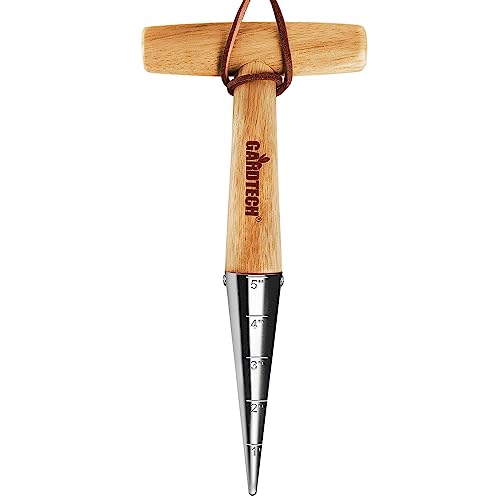
This Wood Handle Dibber is simple to use and comfortable to hold, as well as sturdy and long-lasting. It features an updated design with a depth mark, making it ideal for sowing and replanting. With the “T” shape design, digging holes in the dirt are simple and labor-saving. It’s great for a fun time in the garden. This dibber has a beautiful wood handle and a chrome-plated stainless steel head that will not bend or corrode. It’s simple to clean. Another feature is a beautiful wood handle and a mirror-like head. For those with good taste, this is a beautiful and elegant garden tool kit.
Pros
- This dibber is made up of fine wood
- Helps in easy and efficient gardening
Cons
- Not ideal for bulb planting
Honorable Mention
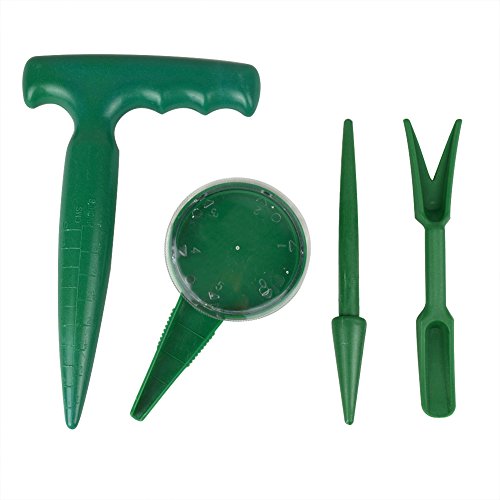
Gardening Will provide a basic and straightforward dispenser. This gardening dibber includes an ergonomic cranked handle that makes digging holes in the dirt a breeze. With this kit, transferring your plant to the proper location is simple. This kit has a simple design that allows you to control water flow through five various size ports. A great product made up of high-quality plastic, which means it would not rust.
Pros
- Has a cranked handle
- These tools are easy to clean
- The high-quality plastic is warm in the hands
Cons
- Tool sizes may be too small for some users
Another Option

Rolson has a comprehensive selection of equipment suited for everyday use by DIY enthusiasts as well as professionals on the job. The stamp of approval associated with this brand ensures that your chosen product has been made to international standards and is well-presented in the distinctive branded packaging. This Stainless Steel Dibber by Rolson comes with an Ash Handle. This dibber includes an ash handle with an antique finish and a leather wrist strap for convenient storage. The dibber is simple to hang, thanks to the leather loop. The head of the Rolson Stainless Steel dibber is mirror polished.
Pros
- Has an antique finished ash handle
- This dibber has a leather loop for hanging
Cons
- Not wide enough for planting large bulbs
The Best Dibber Buying Guide
It’s easy to get caught up in the complexities of buying a dibber. The more alternatives you have, the less likely you are to make a decision, as is the case with most things. We’ve made sure to include all of the elements that might help you pick among the best dibbers on the market this year in our guide.
What Is a Dibber, and How Does It Work?
A dibber is a long, stick-like implement that is used to create holes in the soil for seeds and seedlings to ensure that they are adequately buried without being damaged. A dibber’s breadth varies, and thinner dibbers are excellent for sowing seeds and cuttings, while thicker dibbers are needed for planting tiny bulbs.
Some dibbers will include measures along the shaft to give you a better idea of how deep the hole is. The depth at which the seed is buried should be determined by its size. Seeds should be covered with their own layer of soil as a general rule.
What Are the Different Kinds of Dibbers Available on the Market?
The dibber was originally chronicled in Roman times and has mostly stayed unaltered since then. Farmers planted crops with long-handled metal or wood dibbers in the eighteenth and nineteenth centuries. The many varieties of dibbers on the market are listed below.
Straight dibber
This is a traditional dibber. It can range in complexity from a simple sharpened stick to a more complex variant with a curved handle and pointed steel end. It might be constructed of wood, steel, or plastic.
Dibber with a T-handle
This dibber is similar to the conventional dibber, but it has a T-grip that fits in the palm and makes applying torque simpler. This enables the user to apply constant pressure, resulting in a consistent hole depth.
Trowel dibber
The qualities of a dibber and a trowel are combined in this dibber. It’s generally made of aluminum or some other light material.
Plastic dibber
This tiny dibble is ideal for working with seed trays or small seeds. They’re inexpensive and will endure as long as you don’t expose them to the sun.
Steel tipped dibber
These are the most recent dibbers on the market. For people with hard soil or small hands, this dibber is a low-cost solution. Its steel tip will not rust over time, and it has a wide range of applications in the garden.
Wood turned dibber
The popularity of the wood-turned dibber stems from its strength and durability. It is often constructed of hardwood (maple or mahogany) and is intended to be passed down through generations of gardeners.
How Do I Find the Best Dibbers for My Needs?
The criteria for selecting the best dibbers are as follows:
Reviews
Take a look at the customer reviews and first-hand stories. In this way, you will be aware of the best dibbers that have been thoroughly evaluated in terms of their gardening credentials.
Price
To ensure a decent planting return on your blossoming investment, always seek value for money in durability, simplicity of use, and performance.
Material
You will want to be sure your dibbers are made of durable materials that can withstand heavy or frequent use. As a result, be sure that the material’s toughness is your ultimate decision.
Quality
The general design and build of the dibber and its usefulness, when utilized in the field, are all factors to consider.
What Are Other Factors I Should Look for Before Buying a Dibber?
Many of today’s dibbers are produced in China and feature a metal tip, as well as being constructed of low-quality wood in the shape of a “T.” The following are characteristics of high-quality dibbers:
Hardwood construction
You must evaluate the material the dibber is constructed of. Make sure that it is made up of some hardwood like maple or mahogany etc.
Handcrafted, hand-turned
Handcrafted dibbers are traditional dibbers that are used in planting seeds. You should see if the handmade dibber suits your needs. You may choose a form and size that appeals to you and add a lovely handmade dibber to your garden tool collection.
Markings in inches and quarter-inch marks
There are different dibbers available in the market. Some of them have markings on them to make sowing seeds easier. These markings can be in inches or centimeters.
For firm seed contact
For firm seed contact, make sure that the dibber has a flattened tip. Dibbers having flattened tips make sowing convenient.
Grip handle or ball
There are different shapes of dibbers having a variety of handles available in the market. Select the dibber, which is simple and easy to use. Be sure that the handle does not give you blisters if you are holding it for long.
Designed specifically for seeds or bulbs
The length of the dibbers varies. You can choose the dibber according to your needs. There are different dibbers available for planting seeds and planting bulbs.
Linseed oil to preserve the surface
Last but not least, make sure that the surface of the dibber is preserved with linseed oil. Linseed oil is used as a pigment binder and for plasticizing the surface to prevent rusting.
People Also Asked
How deep should one plant seeds?
Seeds should generally be planted at a depth equal to two to three times their diameter, ensuring they have enough soil contact for proper germination and growth without being buried too deeply to emerge.
How do I choose the right size of dibber for the seeds I'm planting?
To choose the right size of dibber for planting seeds, consider the diameter and depth requirements of the seeds you're planting, ensuring that the dibber's tip matches these specifications to provide adequate space and support for successful germination and growth.
How do I clean and maintain my dibber?
To clean and maintain a dibber, simply wipe it clean after each use to remove soil and debris. Store it in a dry place to prevent rust or corrosion, and periodically check for any signs of wear or damage, replacing it if necessary to ensure effective performance in the garden.
Are there any safety precautions or best practices to follow when using a dibber?
When using a dibber, it's important to apply gentle pressure to avoid damaging seeds or seedlings, and always handle it with care to prevent injury. Additionally, ensure proper posture and technique to avoid strain or discomfort during prolonged use.