


Our Top Picks
- Beekeeping Supplies: A Buyer’s Guide
- People Also Asked
- How much should I spend on beekeeping supplies?
- What safety precautions should I take when using beekeeping supplies?
- Do I need to buy additional equipment and tools for using my beekeeping supplies?
- How do I maintain my beekeeping supplies?
- How do I know if my beekeeping supplies are working correctly?
- Related Reviews
Comparing the Top-Rated Beekeeping Supplies of 2024
Best Overall
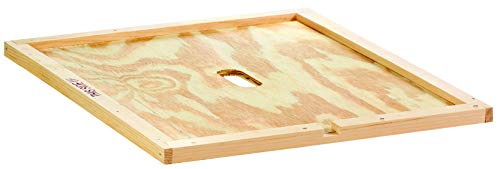
The API Beehive Inner Box Cover is a must-have item for any beekeeper looking to take their beehive to the next level. This feature-packed product provides extra ventilation, circulates fresh air and prevents moisture build-up in your bee hive, offering the ideal environment for bees to grow and thrive. The unique design and versatile size of this box cover are tailored to accommodate a 10-frame hive and the designated holes at the top of the cover help regulate air flow to keep the hive from becoming too suffocating or stuffy.
This cover is also engineered to provide insulation and optimal protection from the elements when placed under an outer cover. It even keeps the outer cover from sticking to the hive box, so you to easily extract honey during the harvesting season. With its solid wooden construction, thoughtfully crafted design and user-friendly structure, this beehive inner box cover earns the top spot on the list.
Pros
- Offers maximum insulation and ventilation
- One-way route for bees during cleaning
- Convenient design is easy to setup
Cons
- Veneer might require tightening
Optimal Protection
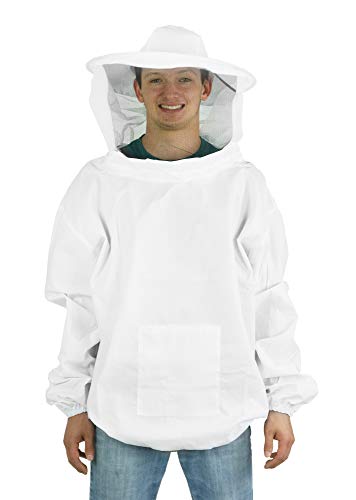
If you’re looking for a safe and comfortable suit to protect yourself from bee stings, the Vivo Professional Beekeeping Suit is a perfect choice. This suit is made using super comfy and lightweight material that not only provides optimal protection against stings but also keeps you cool on hot summer days. You can get it in a range of sizes, both for adults and kids, so you can easily engage your curious little ones with you in the beekeeping adventure.
Another great thing about this beekeeping suit is that it comes with a hood zipper and elastic waistband to keep bees from sneaking into your clothes. The protective hood of this protective suit zips partially off to give you a clear view of the hive when you don’t have the bees around. To top it off, there is a large pocket on the front of the jacket for extra storage to hold your belongings or essential beekeeping supplies for quick access.
Pros
- Hand-washable for fast cleanup
- Lightweight and comfortable material
- Elasticized arm cuffs for a snug fit
Cons
- Sizes run small
Most Versatile
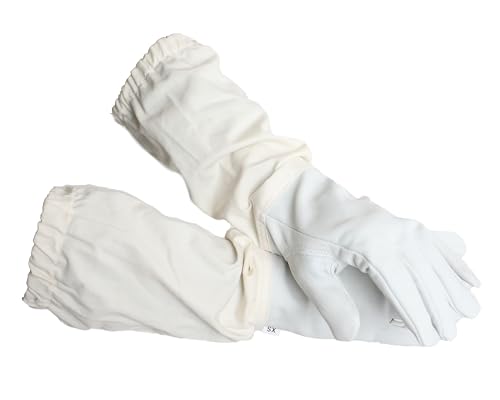
The Forest Beekeeping Supply Gloves are an essential item for anyone looking to protect their hands while working with bees. These protective gloves are made using premium A-grade goatskin leather to provide you with maximum protection against bee stings. Plus, these beekeeping supplies are durable and smooth, offering optimal flexibility to handle all your tasks without restriction. No matter what type of beekeeping you do — hive maintenance, harvesting honey or inspecting bees — these gloves will keep your fingers and forearms safe.
These beekeeping supplies feature long canvas sleeves and elastic cuffs to prevent bees from getting in direct touch with your skin. These versatile beekeeper’s gloves can also be used for other activities such as car repairs, camping, gardening or other DIY tasks. The manufacturer guarantees 100% customer satisfaction or your money-back guarantee, so you can purchase these gloves with some peace of mind.
Pros
- Comfortable feel
- Thicker leather material won’t rip off easily
- Reinforced wing thumb for flexibility
Cons
- May fit a bit tight
Premium Quality
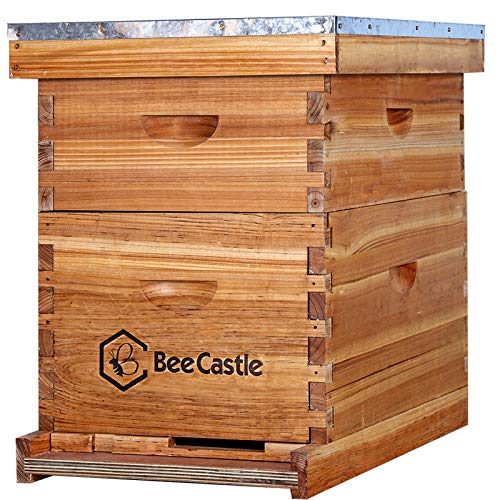
Whether you’re looking for a frame kit to get started in beekeeping or want to upgrade your existing setup, look no further than BeeCastle Beekeeping Supplies. With everything you need in one package, the kit offers top-of-the-line equipment made using premium quality material to keep your bees safe and secure. The package includes a heavy beeswax-coated deep brood box to provide a safe environment for the queen bee and all the eggs. It also comes with 10 dovetail pine frames to give the hive additional strength to keep the box from shaking or wobbling.
These beekeeping supplies also include a beeswax-coated foundation sheet and a bottom board to prevent messes and provide easy cleanup. The telescoping top cover even comes with a metal cap to protect your beehive from the elements. What we love the most about these beekeeping supplies is that they’re made without using toxic paints to ensure bee health and safety. With all the necessary components included in one package, starting up your own beehive has never been easier.
Pros
- Entrance reducer helps bees protect hive
- Comes with all hardware accessories
- Inner plastic cover to feed the bees
Cons
- Instructions can be hard to follow
Most Affordable
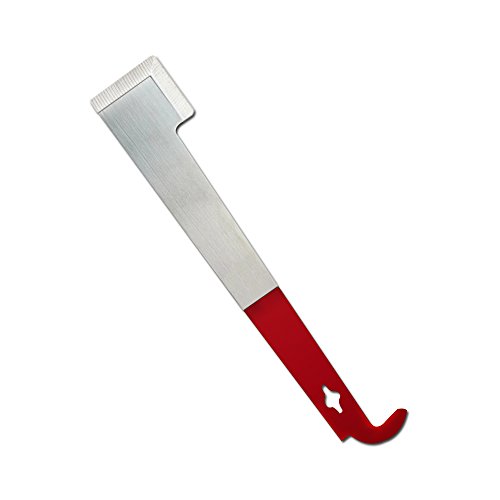
Need something to lift the beehive cover or scrape off the honey safely? Get your hands on the Kinglake Frame Lifter and Scraper. It’s made of high-quality and durable steel, for extra strength and durability to keep rust and corrosion at bay. The hardened steel construction makes this beekeeping equipment virtually impossible to bend or break no matter how heavy the frame cover is or how often you use it. This tool is also long enough to reach the nooks and corners of the beehive without putting the safety of bees at risk.
You can use it to pry apart hive bodies and supers or for cutting or scraping off beeswax to get access to the honey. This versatile product is both sturdy and efficient, making it the ideal tool for any beekeeper. The Handle is designed to optimize grip and leverage, giving the user more control when using the tool. Plus, it has a flat end that can be used to remove wedged frames from deep within the hive.
Pros
- High-quality construction for longevity
- Comfortable design
- Resists rust, corrosion and bending
Cons
- May need to be sanded
Beekeeping Supplies: A Buyer’s Guide
Beekeeping is a rewarding hobby and a great way to produce delicious honey. Of course, it’s important to choose the right supplies to make your experience more successful. To help you make choose your supplies, we’ve put together this detailed buying guide with all the essential information.
What to Look for When Purchasing Beekeeping Supplies
Cost
When shopping for beekeeping supplies, you should not only be aware of the upfront cost for the products but also take into account any associated shipping fees. If you’re planning on ordering supplies regularly, you may also want to look for any discounts or bulk order deals available by the supplier or manufacturer.
Quality
It is essential to look for high-quality beekeeping supplies that are durable and designed to withstand routine wear and tear. Choose products that are made of quality materials such as stainless steel, strong wood, or a thick plastic that won’t easily crack or bend. Also, make sure the supplies come with clear and detailed instructions, so you can start using them right out of the box.
Durability
Look for supplies that are manufactured using strong, durable materials that can withstand exposure to extreme temperatures, wind and other outdoor elements. Consider how long the supplies will last and what sort of ongoing maintenance may be required in order to keep them in good condition for longer periods of time.
Safety
Safety is paramount when it comes to beekeeping supplies. Obviously, they should be safe to use around both bees and humans! Opt for beekeeping supplies made from materials that are non-toxic, chemical-free and free from hazardous dyes or glues that can be harmful to both humans and bees alike. It’s always a good idea to look for certifications such as biodegradable materials to check if the standards of your chosen supplies were met during the production process.
Environmentally friendly
Selecting eco-friendly beekeeping supplies helps protect both our environment and bees in the long run. When possible, look for options such as bamboo hives that are natural, sustainable and easily replaceable without damaging local biodiversity. There are also some plastic alternatives, which can be reused multiple times without producing additional waste in our ecosystem.
You’ll also want to examine if the production process was completed in an ethical manner. This includes ensuring any chemicals going into the manufacturing process were responsibly sourced too. If necessary, seek out certification like FSC for woods used in products such as feeders frames.
Accessories
Having the right accessories makes all the difference when it comes to being successful at beekeeping. You should have all your necessary equipment, such as protective clothing, smoker tools, hive tools, veils, coveralls and other items designed to protect you from stings while inspecting or tending to hives. Some suppliers sell them in a bundle, making them ideal for beginner beekeepers but you can also purchase them separately to replace your old, worn-out equipment.
People Also Asked
How much should I spend on beekeeping supplies?
Beekeeping supplies vary in price, depending on the type of materials used and the quantity purchased. Generally, they range from $80 to $500 or more depending on the number of items included in the purchase. If you’re just starting your beekeeping journey, packages that include all the necessary items are a better option since they’ll provide more value for your money.
What safety precautions should I take when using beekeeping supplies?
When working with bees, it’s important to take safety precautions seriously to protect yourself from stings and infections caused by the bees themselves or by coming into contact with honey or other waste products such as wax caps or propolis (a sticky substance made by bees). It’s absolutely essential to wear protective clothing and gloves while working with bees. Keep in mind that lighter colors are less likely to attract attention from stinging insects while darker colors can be effective camouflage when handling equipment close to a hive entrance. It's also important to keep all equipment clean so you don’t introduce any foreign bacteria or fungi into the hive environment, which could potentially harm the health of your colony over time.
Do I need to buy additional equipment and tools for using my beekeeping supplies?
Yes, depending on what type of beekeeping you plan on doing, some additional equipment might be necessary such as smoker fuel (which is used to calm down agitated bees), a refractometer (for measuring sugar content in honey) or a queen excluder (which prevents queen bees from entering honey supers where bees store their honey). It’s a good idea to consult with an experienced local beekeeper before buying additional items.
How do I maintain my beekeeping supplies?
Many types of beekeeping supplies require regular maintenance to keep them in pristine condition over time. For example, some hives need to be routinely inspected by an experienced professional to assess their condition and identify potential disease outbreaks. Feeders must also occasionally be cleaned with mild soap and water and smokers should be re-filled periodically with smoke fuel to calm down agitated colonies.
How do I know if my beekeeping supplies are working correctly?
The ideal way to assess whether your beekeeping supplies are working correctly is by carefully inspecting them regularly both inside and outside the hive environment. You should pay particular attention when it comes to assembling frames appropriately within boxes so that there’s no risk of crushing the comb when lifting out honey supers. Also, inspect lids for possible damage due to weather conditions and check external landing boards regularly to keep robber bees away.