

Gardening for pollinators
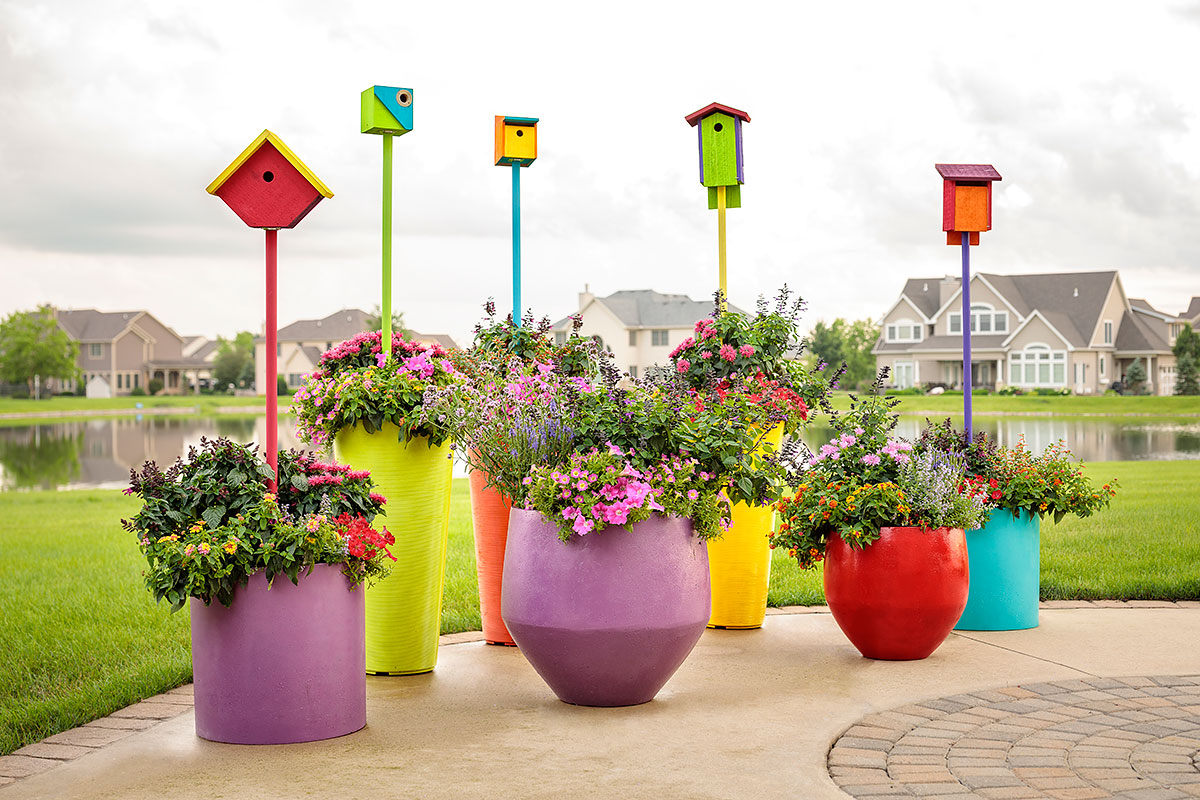
When it comes to supporting your local ecosystem, providing food and shelter for pollinators is a great way to start. To do the most good, diversity is key! Pollinators need nourishment from the beginning of spring all the way to the end of autumn, so planting perennials, annuals and shrubs together is ideal.
While it may take time to curate a great pollinator habitat, every little bit helps. Adding even one or two food sources for our pollinator friends makes a big difference. The more varieties you add, the more diversity you’ll attract.
Key elements to a pollinator-friendly garden
If you’re ready to make a pollinator-friendly change to your garden, here are a few key things to look for.
1. High-quality food
High nectar and pollen production are key to supporting pollinators. These are the most important factors to look at when it comes to choosing a new addition to the garden.
2. Eye-catching color
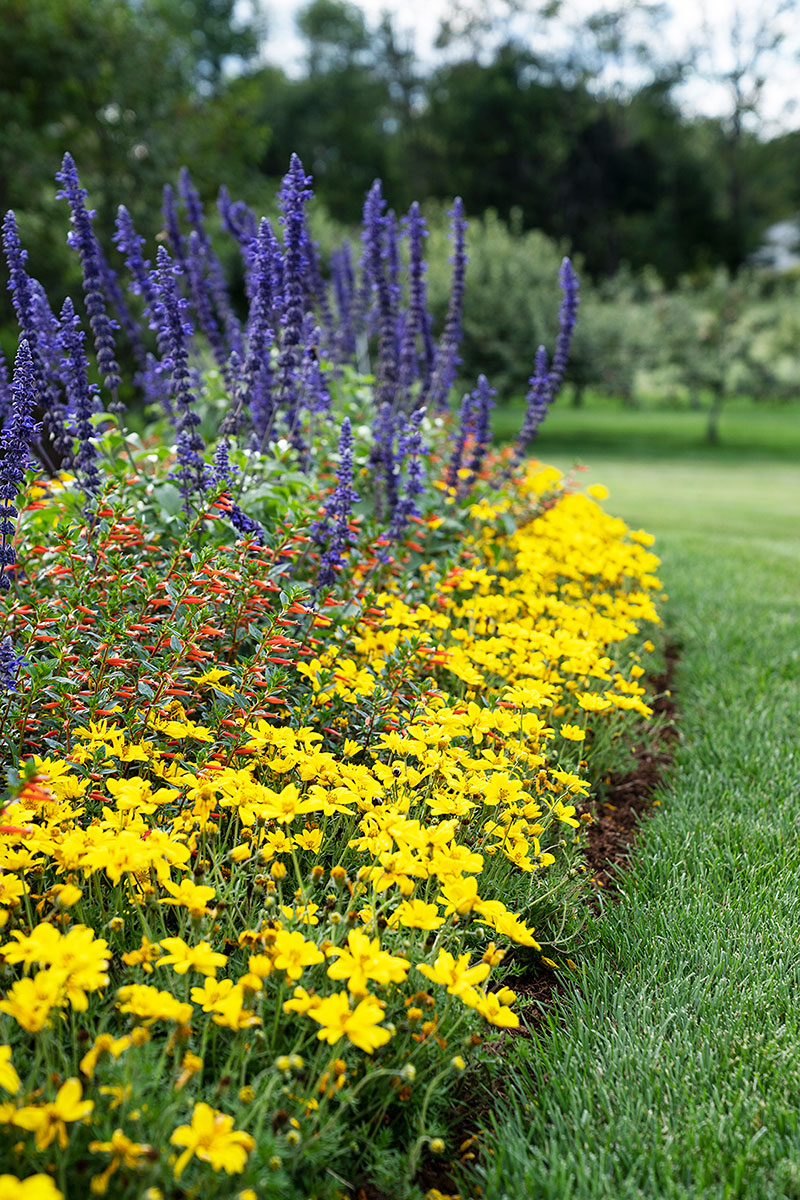
Bees and butterflies hunt for food by sight, so look for bright colors such as orange, red, yellow and purple to help them find food sources.
3. The right shape
Different pollinators are looking for different bloom shapes depending on how they visit flowers. Funnel and tube shapes are popular with bees, butterflies and hummingbirds. Other options like bell and composite shapes for bees, clustered or flat-topped options for butterflies and trumpet-shaped flowers for hummingbirds are great choices too.
4. Water access
The pools that form on broadleaf foliage like that of Hydrangea macrophylla are natural and beautiful ways to support thirsty pollinators.
Choose the best location for your pollinator garden
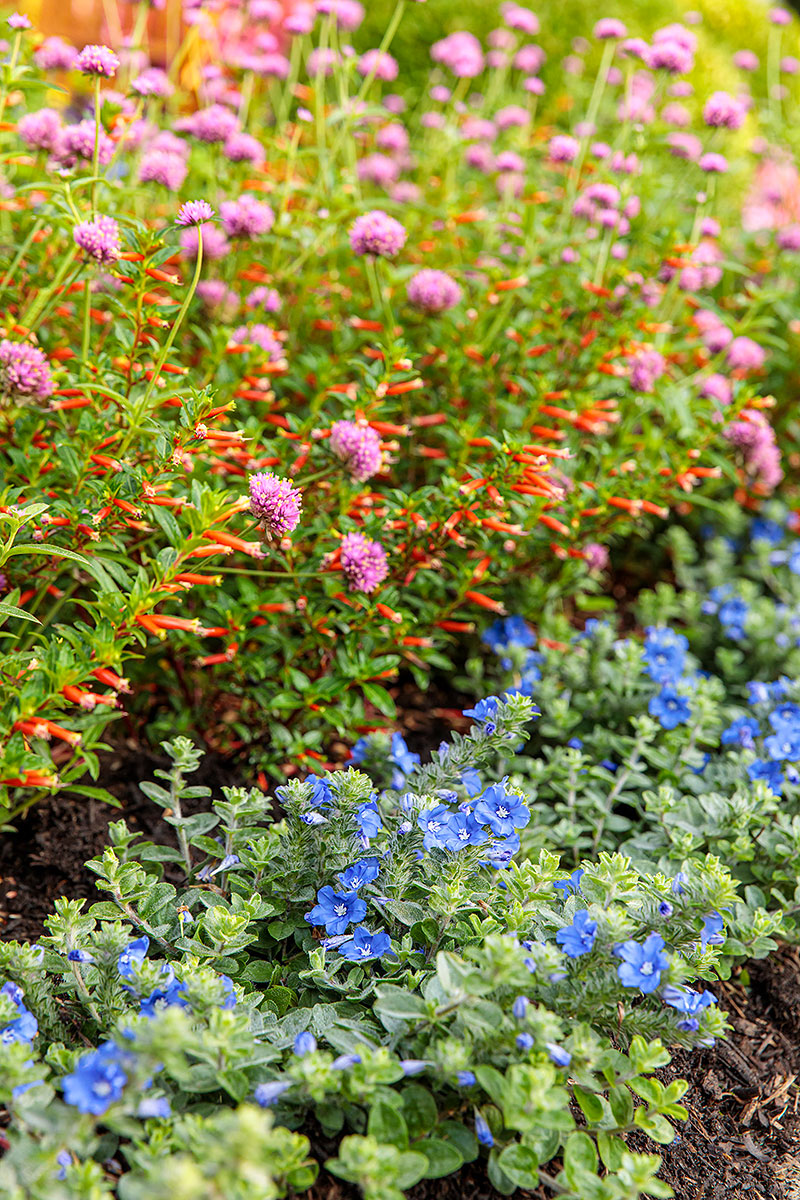
Once you’ve picked your preferred pollinator plants, it’s time to choose a location. Grouping plants together in clumps or mass plantings helps pollinators find food as they wander through the garden. Remember, bees and butterflies rely on eyesight to find food, so placing two or more plants together makes them easier to identify. This also helps birds, butterflies, bees and others conserve energy as they feed.
Choose plants with native roots when gardening for pollinators
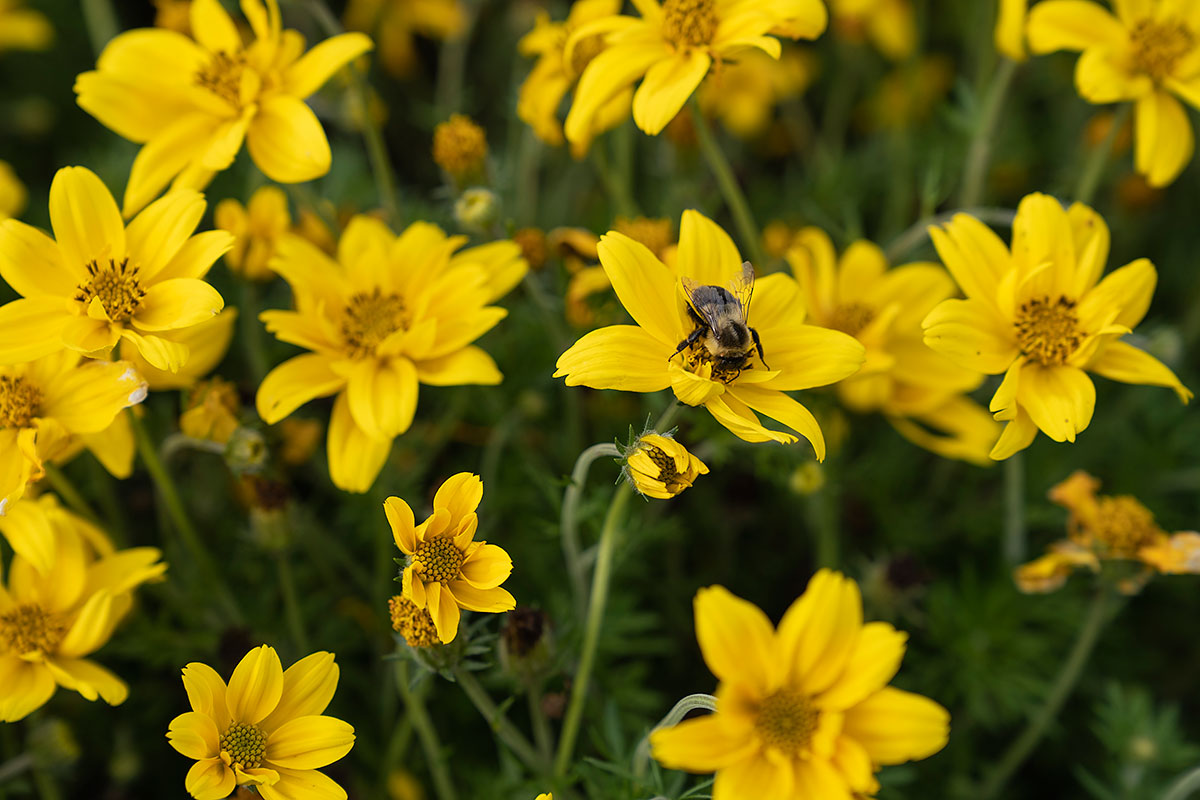
Consider using plants with native roots to add the benefits of durability and sustainability. Plants native to your area are well adapted to local pollinator populations, making them easy choices! Proven Winners® with native roots like Superlophus™ Sunglow Oenothera, derived from native Texas primrose, and ‘Prairie Princess’ Vernonia, a trending native perennial, are beautiful and durable picks.
And don’t forget classic Proven Winners pollinator favorites like Vermillionaire® Cuphea, Rockin’® Playin’ the Blues® Salvia, Truffula® Pink Gomphrena, Suncredible® Yellow Helianthus and the Luscious® Lantana series.
Learn more
For more advice on creating the perfect pollinator garden, see more resources at Proven Winners: www.provenwinners.com/Gardening_for_Pollinators
You Might Also Like:
Meet 2026's Best New Sun Perennials
More Tips for Pollinator Gardening
Host Plants for Different Types of Butterflies