


Classic European Garden Design Techniques
When you visit the expansive and meticulously maintained spaces of Europe’s most famous gardens, it might feel worlds away from a modern-day North American backyard. The elaborate structures and large-scale designs seem like grandiose remnants of a bygone era. However, there are plenty of ways to incorporate a touch of that old-world elegance into modern landscapes. Here are five features that can easily be reimagined for just about any outdoor space to add a dash of formality or a hint of romance.
Want to tour European gardens with us?
See our current tour lineup, and reserve your spot today!
5 European garden design ideas that stand the test of time
1. Get creative with parterre and topiary
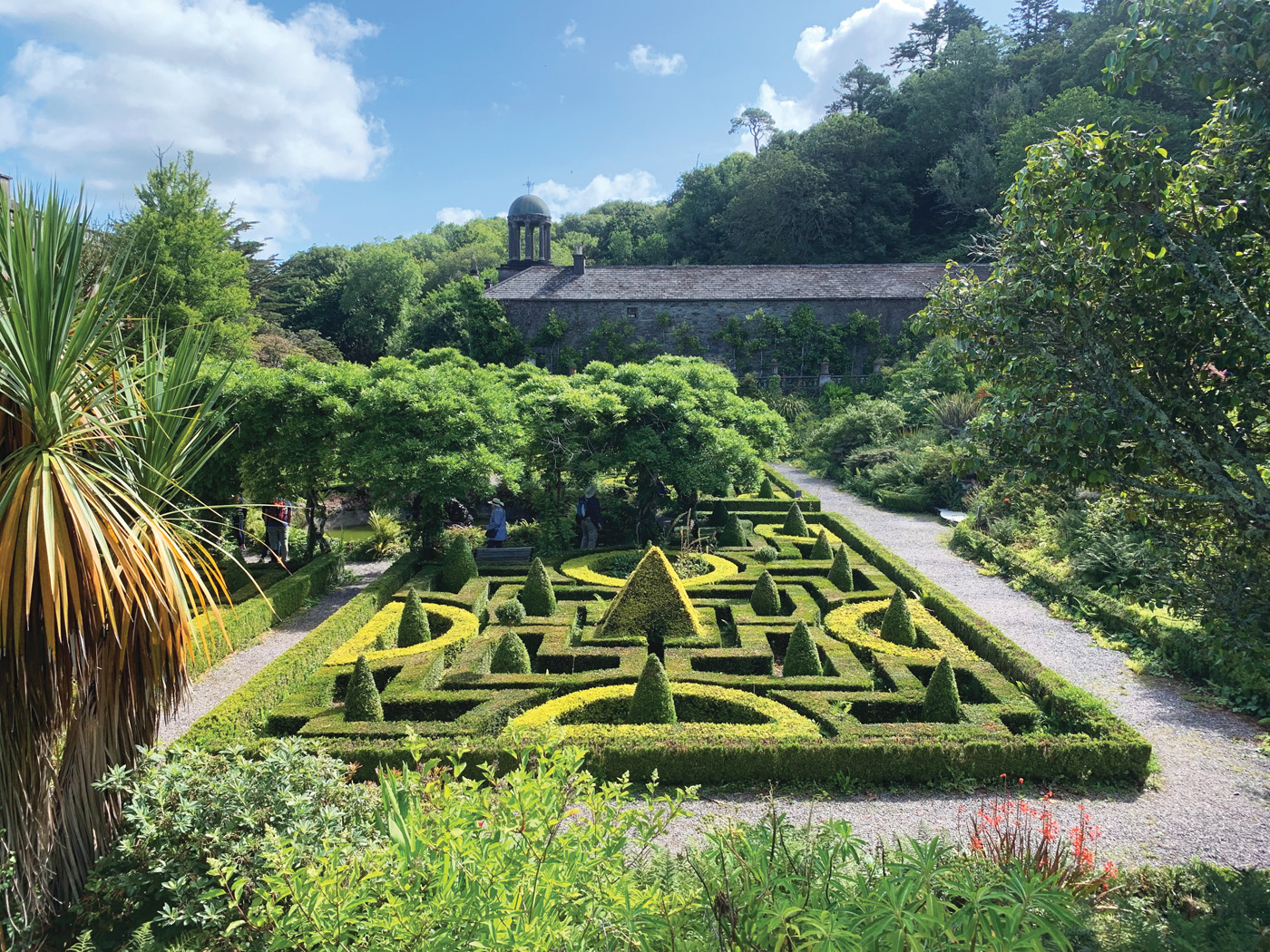
Maybe intricately patterned formal hedges, or parterres, are the first design element that comes to mind when you imagine European gardens. Or do you think of stately topiary shrubs in dramatic shapes? The parterre originated in 16th-century France during the Renaissance as a symbol of wealth. And ancient Romans reportedly practiced topiary as an art form.
The parterre at Ireland’s Bantry House, above, is particularly effective because it can be viewed from above in the house or on the adjacent terraced hillside. While you may not have the space to create an intricate pattern of symmetrical beds like this, everyone has room to display some artful pruning. A couple of potted boxwood spirals can make any entryway a little statelier, and there is no rule that privacy hedges need to be a straight green wall — unless your HOA says otherwise.
To shape shrubs, it’s generally best to start with young plants. In order to prevent stress or dieback, avoid removing more than one-third of the plant’s foliage at a time. Good candidates for topiary and parterre include boxwood (Buxus spp. and hybrids), yew (Taxus spp. and hybrids), and Japanese holly (Ilex crenata). Boxwoods typically need trimming two to three times per year to hold crisp lines, while slower-growing yews can be shaped once annually.
You Might Also Like:
How to Deal With Boxwood Blight
Topiary Basics With Linda Vater
How-To Video: DIY Spiral Topiary
2. Soften garden structures with climbing plants
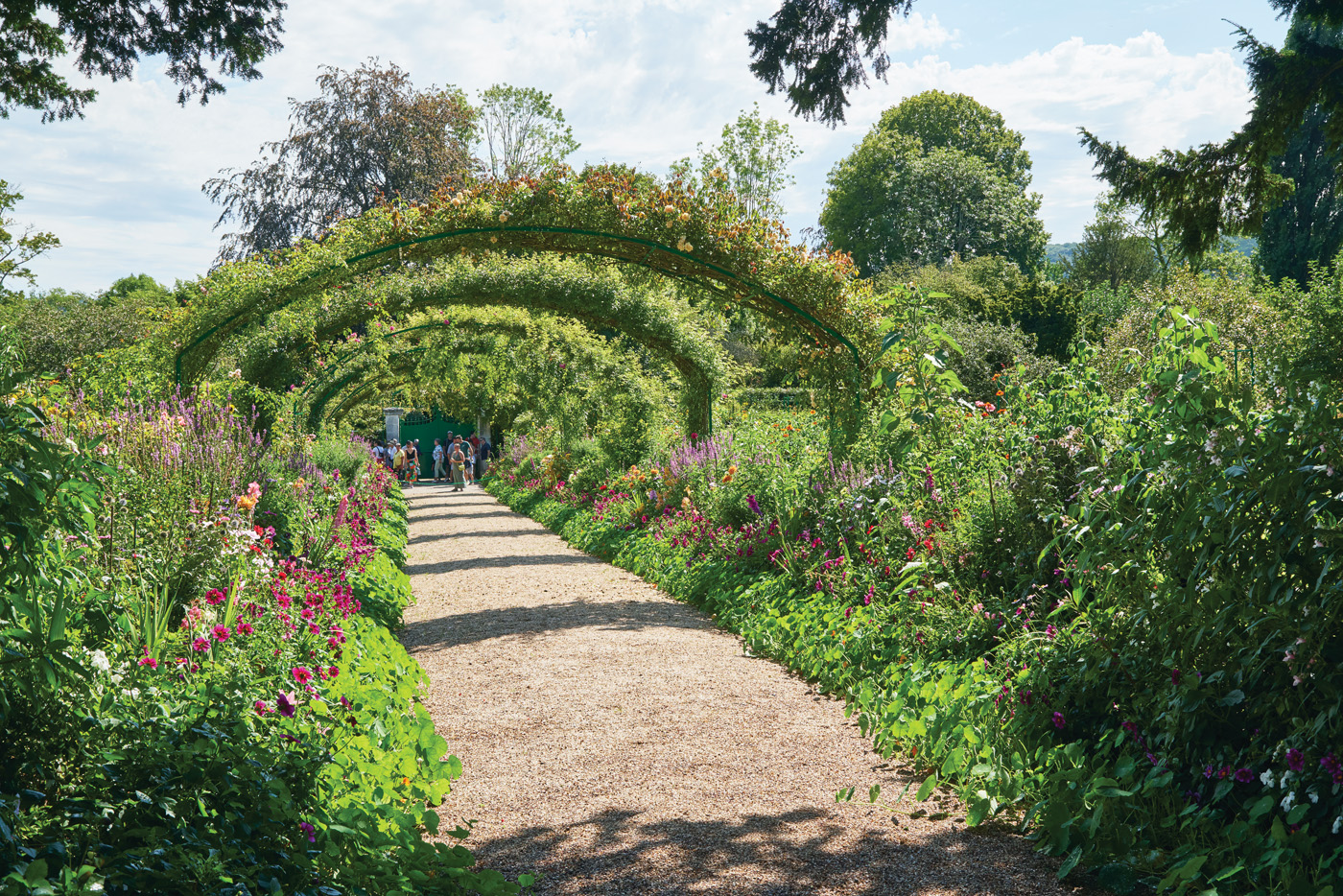
Throughout history, climbing plants have been used to blur the boundaries between architecture and nature — seen most famously in the rose-covered arches at Monet’s Garden in Giverny, France, above. Retaining walls, fences, arches, arbors and pergolas are all perfect places to add plants that will climb and cascade over the surface.
3. Densely plant double borders for romantic abundance
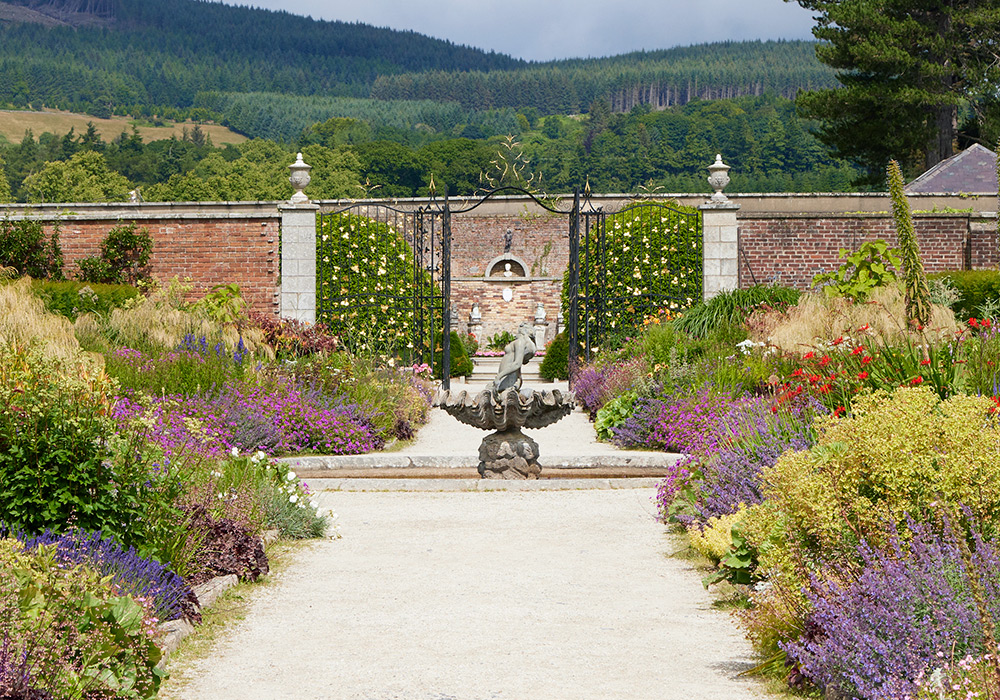
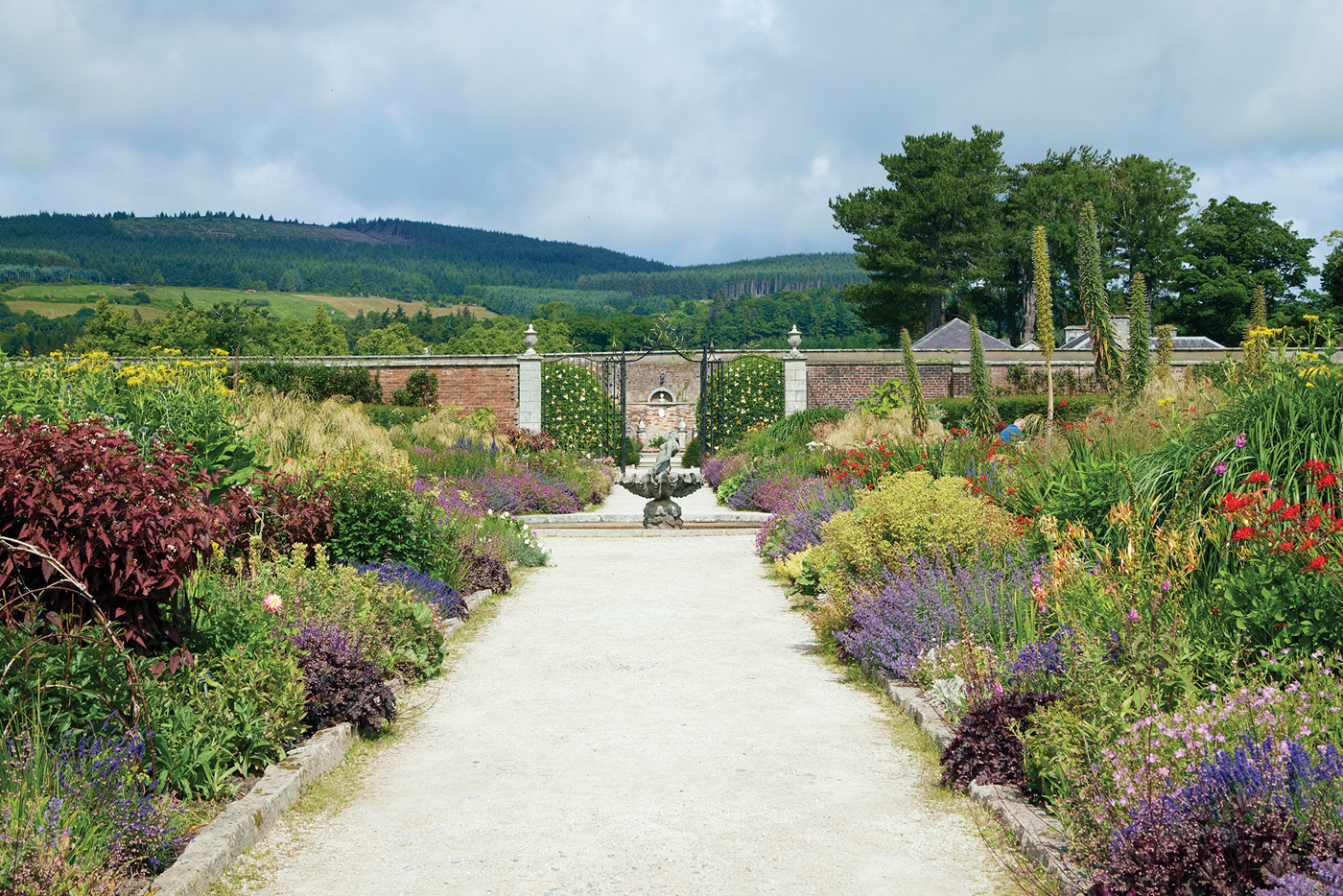
Double borders — two parallel garden beds separated by a central path — became a defining feature of English estate gardens during the Victorian and Edwardian eras, exemplified by the broad, flower-filled walks at estates like Hidcote or Powerscourt Estate, above. The design allows gardeners to frame a walkway with color and texture on both sides, creating a sense of total immersion while encouraging visitors to wander deeper into the landscape.
To achieve a successful double border, think in layers. Place structural plants (such as boxwoods or small ornamental trees) at the back of the beds, then fill in the middle ground with medium-sized perennials, before capping it all off with frothy ground covers along the front. Long-blooming perennials like catmint (Nepeta spp. and hybrids) and geraniums (Geranium spp. and hybrids) are good candidates for a border that should be filled with constant color. Annuals that tend to reseed, such as poppies (Papaver somniferum) or love-in-a-mist (Nigella damascena), are also great for infusing serendipitous touches throughout the beds.
4. Use water to invoke a timeless elegance in your garden design
Almost every garden style around the world incorporates the element of water in one way or another. The grand fountains of Versailles, for example, illustrate the power that water features have in a garden, drawing in visitors from afar to take a closer look. In Italy, the Renaissance ushered in elaborate tiered fountains and grottoes, while Islamic and Moorish gardens relied on smaller ponds to convey tranquility. A simple reflecting pool — like those found in traditional Mediterranean courtyards — can provide a serene focal point that mirrors the sky and surrounding foliage.
Decide the water feature’s purpose
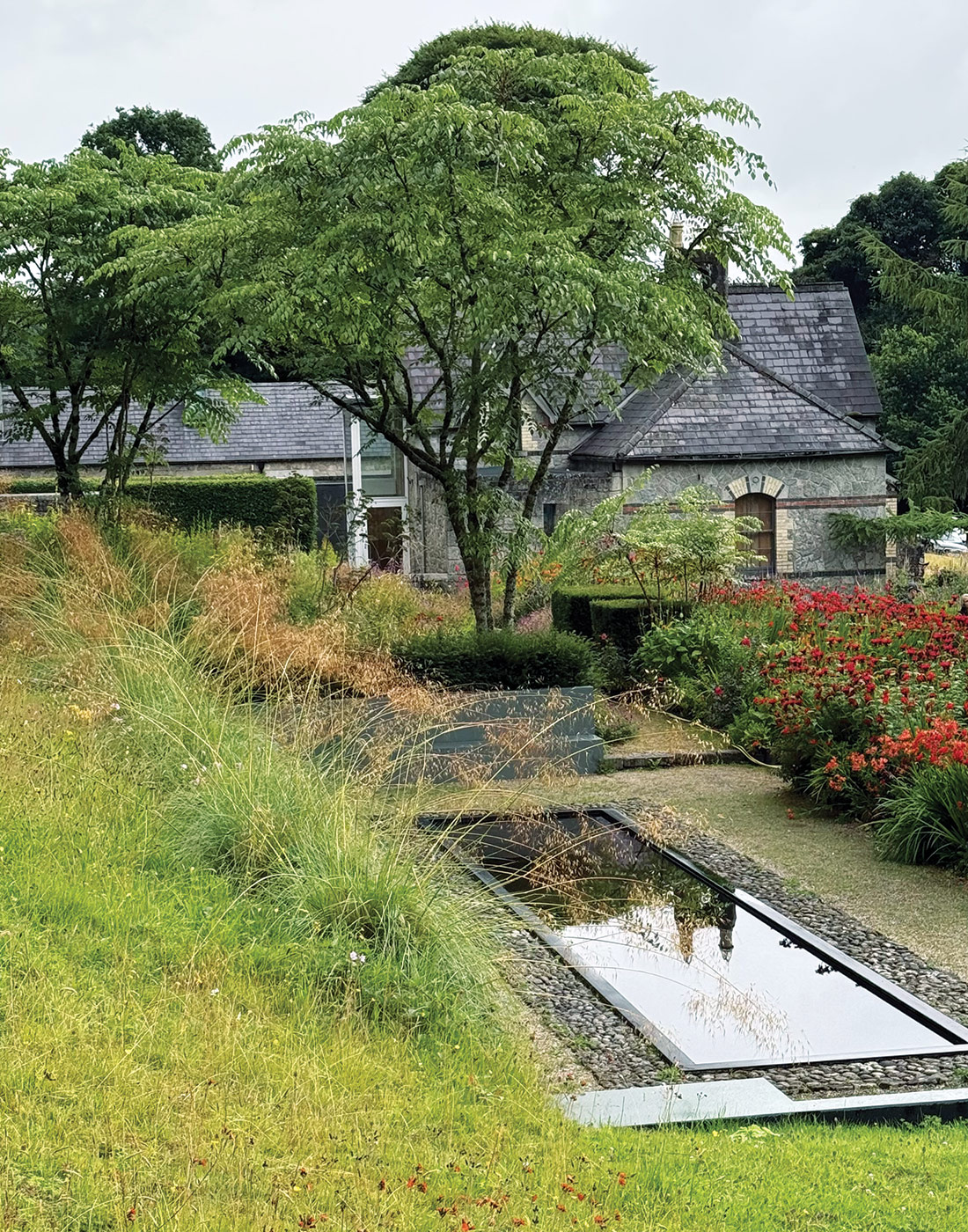
Before adding a water element to your garden, start by defining what you want it to achieve. Do you want a focal point and to perhaps mask noise pollution? A feature that has moving water will add ambient sound and attention-grabbing movement to a space. Or, if you are looking to infuse a sense of reflection and calm, then the still water found within a pool, like this beauty in June Blake’s Garden in Ireland above, is a better option.
You Might Also Like:
How to Create a Sensory Garden
Talk & Tour: A Love Affair With Texture, Stone & Water
Talk & Tour: Restoration of the Senses
See Our Current Garden Tour Lineup!
5. Add rustic flair with stonework and garden sculptures
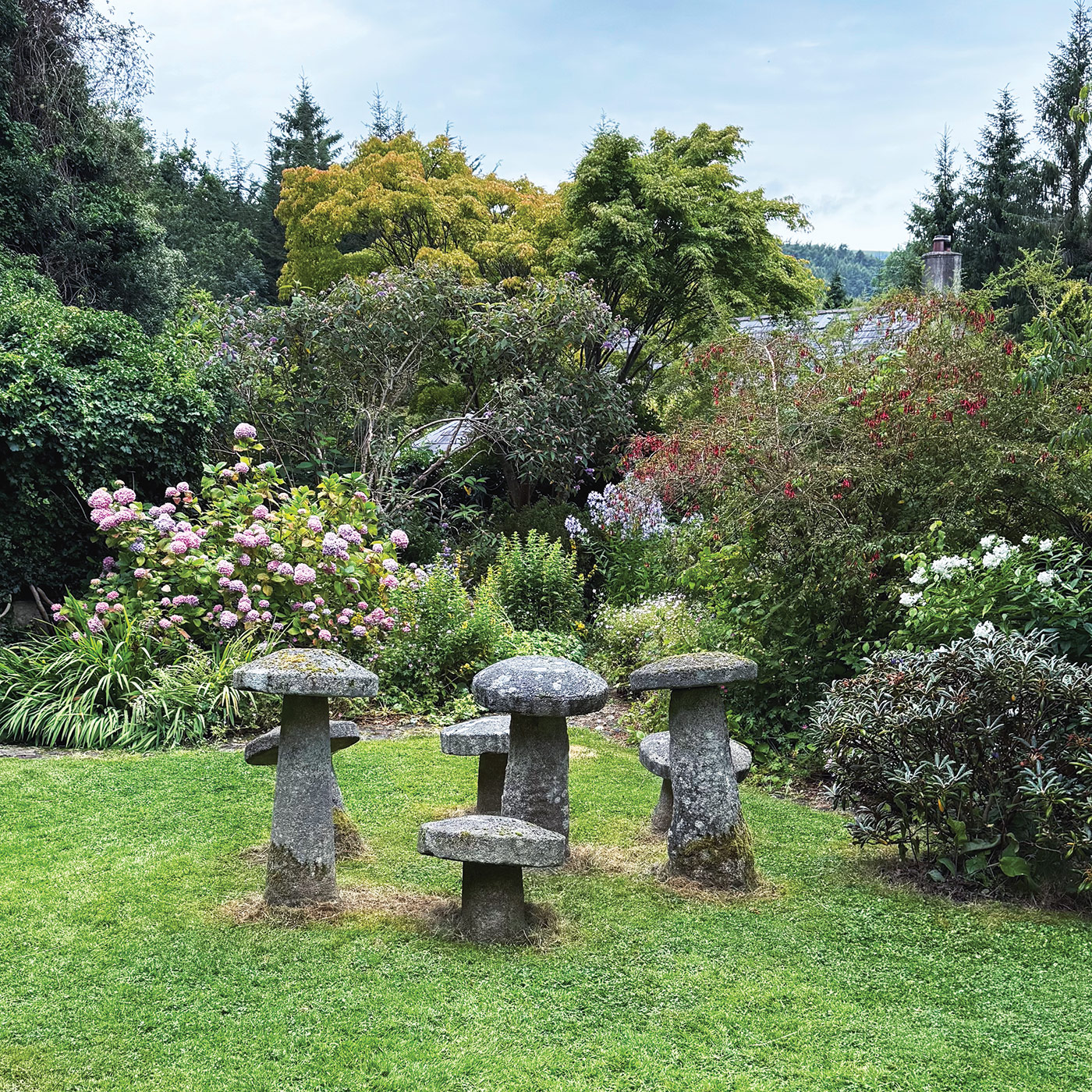
Finally, here’s a garden feature that will instantly give your space a more vintage feel: stonework. From medieval staddle stones once used to elevate granaries (like those at Knockrose in County Dublin, above) to the statuary and carved walls of classical European estates, stone features lend history and permanence to any setting.
Not everyone will have access to architectural salvage materials. But many newer stone and concrete sculptures will look authentically aged after just a few years of exposure to the elements. Stone walls, which provide function as well as some old-world charm, are perhaps one of the most straightforward ways to infuse a sense of age into a landscape.
You might also consider selecting stone pavers with softer edges and more organic shapes for your paths or patio and allowing ground covers to grow in the spaces between for a romantic feel. If natural stone isn’t in the budget, concrete and faux stone can have a similar effect when the same principles of soft edges and organic forms are applied. Cover and surround your new hardscaping with plants, and who’s to say that it isn’t an ancient relic that’s graced your garden for centuries?