

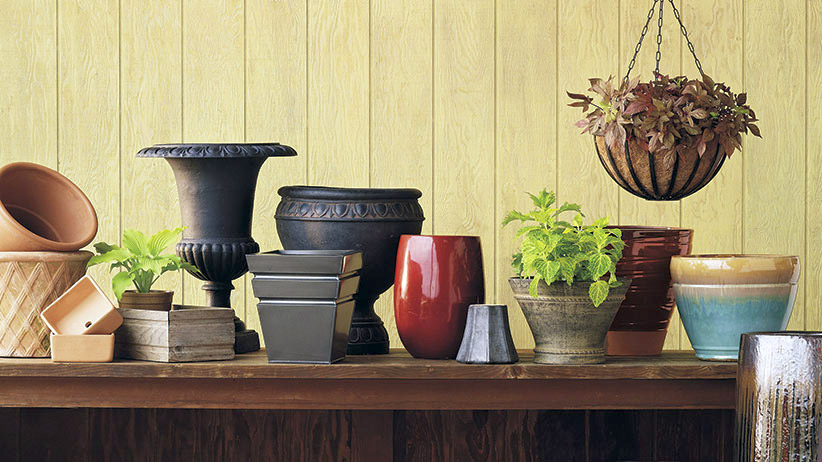
Garden containers in all types of materials
Get your container gardens off to the right start by selecting the container that is going to work best for your needs and look slick in your space, as well! Before you make your decision, factor in your climate, the size of your space and the style of your home. With those elements in mind, peruse the list below to learn about the variety of types of garden containers.
Many garden containers are an investment. You want them to last from year to year. So take your time choosing the containers that will work best for you. Have fun with it!
You Might Also Like:
Best Foliage Plants for Containers
Colorful Windowbox Plantings
A no-fail formula for designing beautiful containers
Easy upcycled planters that make a great container garden
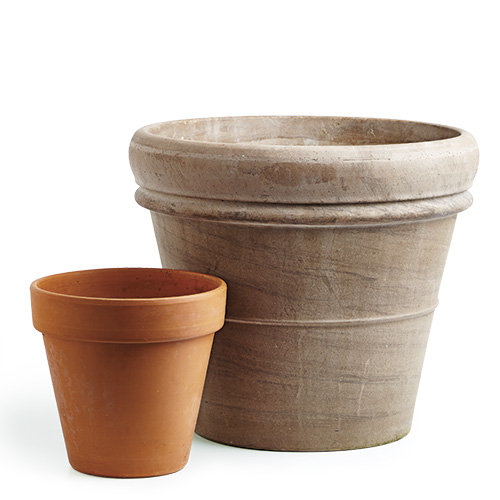
Terra-cotta containers
This kiln-fired clay can range from rich orange-brown to a pale, creamy color. Find it in a wide variety of shapes and sizes. The surface may be smooth, textured or embellished with intricate designs.
Pros
Porous so air can get in and water can evaporate. This classic container material is durable and can be used in formal- or casual-style gardens.
Cons
Dry terra-cotta wicks moisture out of the soil, away from roots so they dry out quickly. It cracks and flakes if not protected in freezing temperatures.
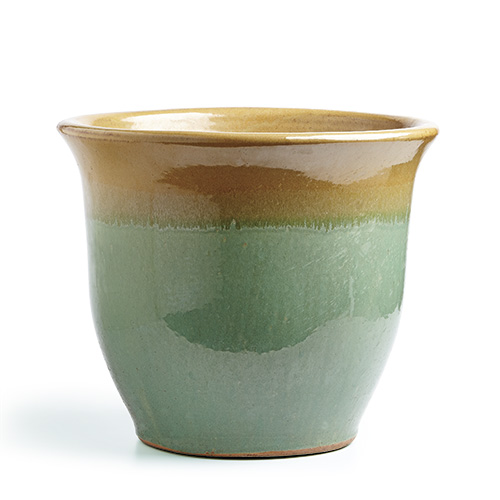
Glazed containers
Made of clay that’s been coated with a glaze and fired in a kiln, these containers are available in almost any size, shape or color — even combinations of colors. You’ll find everything from high gloss to matte finishes, too.
Pros
Glazed containers are more durable and hold moisture in the soil better than plain terra-cotta.
Cons
Depending on the thickness of the container walls, they can be heavy. Glazed containers can also chip and crack in freezing temperatures
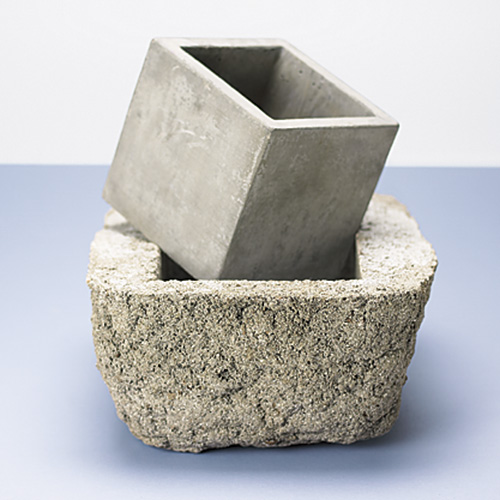
Concrete containers
This material can be cast into a variety of shapes and be stained,painted or left natural. You’ll also find hypertufa, a lightweight mixture, that is similar to traditional concrete.
Pros
Tough and durable, concrete containers will last for many years with minimal care. Their heavy weight means they will not tip over easily.
Cons
Heavy to move, especially a large container filled with soil. Like many other materials, it can flake or crack in freezing winter conditions.
You Might Also Like:
PDF Download: How to Make a Hypertufa Planter
3 Concrete Bag Projects
Watch: Designing a Whimsical Fairy Garden with Hypertufa Houses
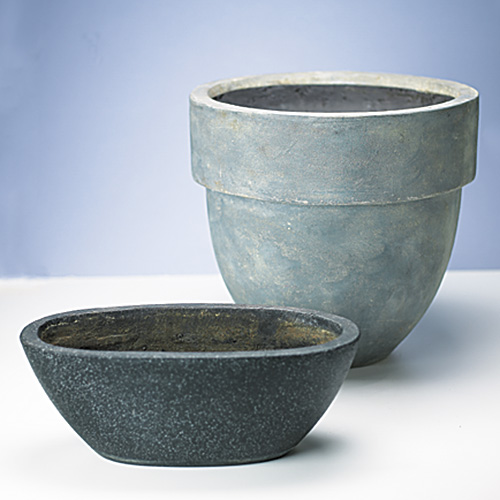
Fiberstone, a concrete lookalike
A lightweight and affordable alternative to concrete is fiberstone, which is made of fiberglass and crushed stone. It usually has a rough texture that closely resembles and feels like concrete but is lightweight, durable and can withstand freezing temps.
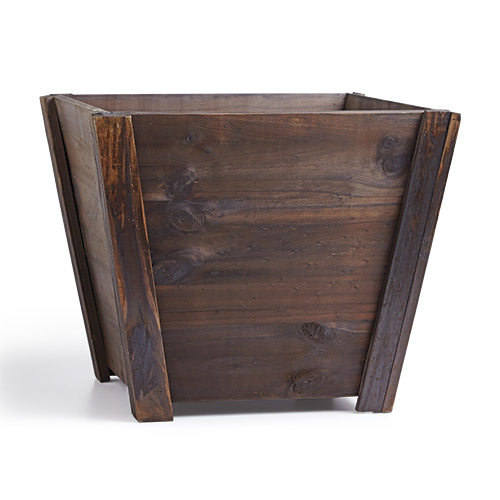
Wood planters
Windowboxes and planters are often made of wood. Whiskey barrels are another popular container made from this material. Any of these containers can be unfinished, sealed with a clear finish, stained or painted.
Pros
Wood is rarely damaged by freezing temperatures so it can be left outdoors all year. It also insulates the roots from hot summer temperatures.
Cons
Almost all types of wood will rot over time. If the surface has a finish, it will need to be recoated periodically to keep it looking fresh.
You Might Also Like:
Woodworking Garden Project Plan Collection
How to Overwinter Container Plants
How to Build a Simple Wooden Garden Bed
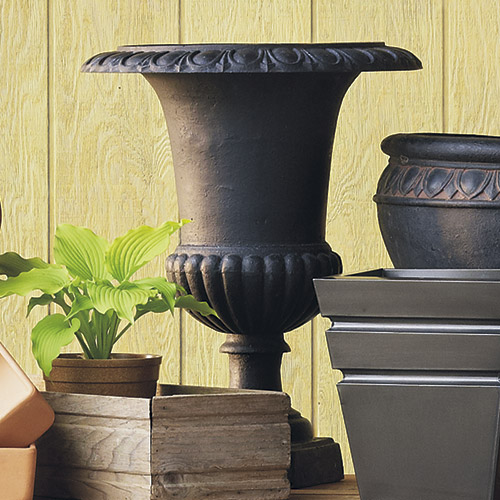
Cast-iron
Iron can be cast in a mold to create almost any style from classic antique forms to sleek modern styles. It can be painted or left raw to rust naturally
Pros
Durable, will last nearly forever. And the weight can be an advantage if your garden is prone to strong winds tipping over your containers.
Cons
Weight can be a problem if you like to move your pots around frequently. Or if you’re gardening on a deck or balcony you may want a lighter material.
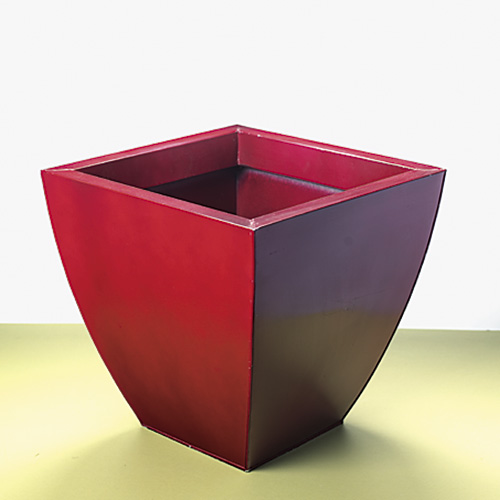
Sheet metal
Tin, copper, aluminum, steel or other metal can be rolled into thin sheets and formed into containers. The surface may be galvanized, painted or left natural to create different looks. Weathered steel, such as Corten steel, is a popular choice.
Pros
Usually lightweight and easy to move around, it can’t chip or crack easily. Won’t be damaged by extreme heat or cold.
Cons
Thin metal heats up fast in hot sun and can quickly dry the soil and harm the roots. Thin materials dent easily and some will rust.
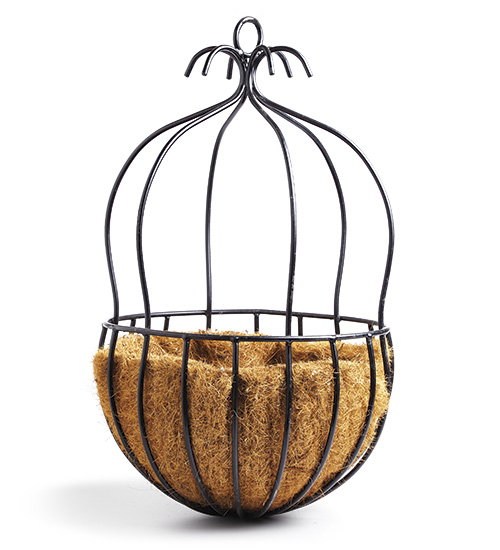
Lined hanging basket
Hanging baskets need to be lightweight. You’ll often find them made of metal rings lined with a fibrous material, such as coco fiber or sphagnum moss. Some may have a plastic liner inside to help retain moisture.
Pros
The fiber used is usually a neutral color and won’t steal the show away from the plants.
Cons
Without a plastic liner or insert, the soil dries out very quickly. The fiber can break down and will need to be replaced if it looks ratty.
You Might Also Like:
Best Plants for Hanging Baskets
Hanging Basket Hacks!
Watch: How to Plant a Monochromatic Flower Basket
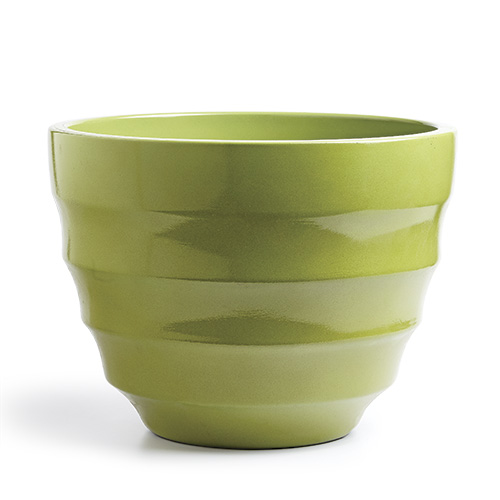
Plastic, resin & other lookalike materials
At first glance they may look like ceramic, metal, concrete or most any other material, but are actually made from fiberglass, resin or plastic. You can find one to match any garden style.
Pros
They are lightweight, durable and weatherresistant. Most can be left outside in freezing temperatures and fit almost any style.
Cons
While they look like other materials, the major drawback is that they just aren’t the real thing. And the light weight can be problem in windy spots
Learn More:
Shop the Container Garden Collection
Get Inspired With Our Container Planting Plans
Subscribe to Garden Gate Magazine!